
Table of Contents
Introduction

A mandap is the decorated wooden structure where the bride and groom stand during a wedding ceremony. Think of it as the main stage where all the important moments happen. The cloth that covers and decorates the mandap is one of the most important things you’ll choose for your wedding. It’s like the outfit for your wedding stage – it makes everything look beautiful and sets the mood for your entire celebration.
When you pick the right mandap cloth, your whole wedding feels more special. The fabric, colors, and design you choose tell a story about your celebration. Some couples want traditional designs that honor their family’s customs. Others want modern, trendy looks that feel fresh and current. The best mandap cloth suppliers understand both styles and can help you create exactly what you’re dreaming about.
Good quality cloth makes a huge difference in how your mandap looks in photos and videos. When your guests arrive, the first thing they see is your beautifully decorated mandap. This is why choosing the right supplier who knows about cloth quality and design is so important for your special day.
The Role of Mandap Cloth in Your Wedding Day
Your mandap cloth is much more than just decoration. It sets the entire feeling and mood of your wedding ceremony. When guests walk into your wedding venue, they immediately see your mandap. The colors, texture, and design of the cloth create an emotional connection – it tells them what kind of celebration this is going to be.
If you choose rich, traditional fabrics like silk with golden embroidery, your guests will feel the elegance and cultural significance. If you choose modern lightweight fabrics with contemporary designs, they’ll feel the freshness and creativity of your style. The mandap cloth is basically the first message you send to your guests about who you are as a couple.
The cloth also affects how your mandap looks in photographs. Professional photographers work with the cloth colors and textures to create beautiful images. A high-quality, well-designed mandap cloth will photograph beautifully and look stunning in all your wedding memories forever.
Understanding Traditional Mandap Designs

Traditional mandap designs come from cultural customs that have been passed down through families for many generations. These designs often use natural materials like pure silk, cotton, and heavy velvet. Traditional cloth usually features intricate embroidery, gold zari work, and detailed patterns that take skilled craftspeople months to create.
What makes traditional designs special is that they tell stories. The patterns, colors, and materials have meaning connected to family traditions and cultural values. Red and gold are popular in traditional designs because they represent prosperity and good fortune. The cloth work is usually handmade, which makes each piece unique and authentic.
Traditional mandap cloth suppliers have deep knowledge about these designs because they work with them every day. They understand which materials work best for different weather conditions and venues. They know how to combine different traditional cloths to create a cohesive, beautiful look that respects cultural values while making your mandap stunning.
Exploring Modern Mandap Designs & Mandap Cloth Trends
Modern mandap design has completely changed how couples approach their wedding decorations. Today’s couples want to mix personal style with cultural traditions. Modern mandap cloth suppliers now offer fabrics that blend traditional techniques with contemporary designs. You’ll find fabrics that use traditional embroidery methods but in modern colors like blush pink, navy blue, and sage green.
New trends include lightweight fabrics that are easier to work with and transport, blended materials that combine silk with cotton or linen, and digital prints that create detailed designs without hand embroidery. Some couples now choose ombre fabrics that fade from one color to another, creating a modern, elegant look. Others prefer minimalist designs with clean lines and simple patterns that feel fresh and current.
Modern mandap cloth suppliers understand that today’s couples want choices. They stock both traditional and contemporary options. They can help you create a design that feels personal to you – whether that’s completely modern, completely traditional, or a beautiful blend of both styles that tells your unique story.
How Good Mandap Cloth Suppliers Help You Choose
A trustworthy supplier won’t just sell you cloth – they’ll guide you through the entire decision-making process. They’ll ask you important questions about your wedding theme, venue, guest count, and personal style. They want to understand your vision so they can recommend cloth that will actually work for you.
Professional suppliers will show you samples of different fabrics, weights, and colors. They’ll explain the difference between materials and help you understand why certain fabrics work better for certain designs. If you’re unsure about mixing traditional and modern styles, they’ll show you successful examples of how other couples did it beautifully.
Experienced suppliers also help you stay within your budget while getting quality cloth. They know which materials give you the best look for your price range. They can suggest ways to make your mandap look expensive and beautiful without spending more than you planned. This is where the expertise of a good supplier really matters – they save you money while ensuring quality.
Quality Factors Every Buyer Should Know
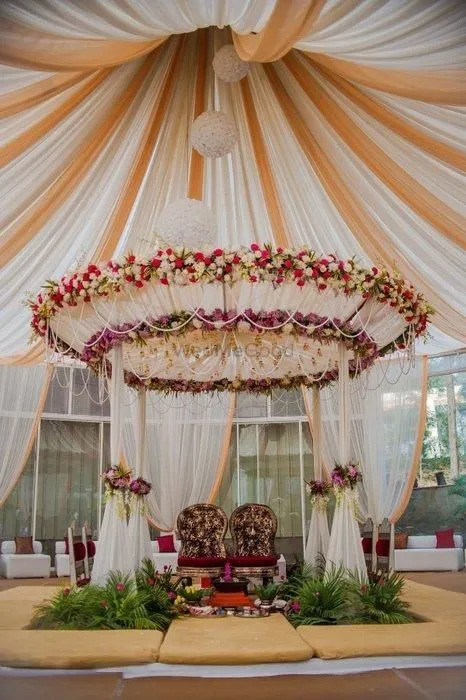
When you’re looking at mandap cloth, several things determine whether it’s good quality or not. First is the material itself. Pure silk lasts longer and looks more luxurious than synthetic fabrics. Cotton is breathable and works well for outdoor weddings. Velvet feels rich and heavy, perfect for creating dramatic, traditional looks.
Thread count matters too. Higher thread count means the fabric is tighter and more durable. Good quality cloth won’t fade easily in sunlight, won’t wrinkle badly, and will handle being packed and transported without damage. When you touch high-quality fabric, it feels smooth and substantial – not thin or flimsy.
The stitching and embroidery work are also important quality markers. Straight, even stitches mean skilled craftspeople made the cloth. If embroidery looks uneven or thread colors don’t match perfectly, it’s a sign of lower quality. Good suppliers will let you examine cloth closely and answer all your questions about how it was made and what materials were used.
How Mandap Cloth Suppliers Blend Traditional & Modern Styles
The best suppliers have figured out how to successfully combine traditional and modern elements. They might take a traditional embroidery pattern and place it on a modern, minimalist background fabric. Or they’ll use traditional materials like silk but add contemporary colors that feel fresh and current.
Real examples show how this works beautifully. One couple chose traditional heavy silk with classic gold embroidery but added modern lighting and simple floral arrangements. Another couple used traditional red cloth but paired it with contemporary geometric patterns. Both celebrations honored tradition while feeling fresh and personal.
Experienced suppliers know what combinations work and which ones clash. They understand color theory – which colors look good together and which don’t. They know how different fabrics interact with lighting, how colors look in photographs, and how designs appear from far away and up close. This expertise comes from years of working with hundreds of couples and thousands of fabric combinations.
Expert Tips for Working with Your Mandap Cloth Supplier
Communication is key when working with a supplier. Be as detailed as possible about what you want. Bring images from Pinterest, weddings you’ve attended, or Instagram if you see something you love. Describe your feelings about color – do you want it to be bold and dramatic, soft and romantic, or modern and minimal?
Always ask to see physical samples before making final decisions. Colors on a computer screen look very different from real fabric. Samples also let you feel the texture and see how the light reflects off the material. Good suppliers will happily send you samples even if you live far away.
Start your planning early – ideally at least three to four months before your wedding. This gives your supplier enough time to source materials, create custom designs if needed, and handle any changes without rushing. Rushing usually leads to mistakes and stress.
Ask your supplier about their experience with similar designs, how many weddings they’ve worked on, and what certifications or recognitions they have. These are signs of a trustworthy, professional supplier who takes their work seriously.
Conclusion
Is traditional cloth better than modern cloth? The answer is that each has benefits. Traditional cloth is authentic and honors your heritage, but it can be heavier and hotter. Modern cloth is lighter and easier to work with, but it might not feel as meaningful to your family. The best choice depends on what matters most to you and your family.
How much should you spend? Good mandap cloth starts around 15,000 rupees for basic designs and can go up to 2,00,000 rupees or more for heavily embroidered, luxury pieces. Most couples spend between 40,000 to 80,000 rupees for quality cloth that looks beautiful and lasts. Your budget should match your priorities.
Can you mix traditional and modern cloth? Absolutely. Many successful mandaps use traditional cloth as the base and add modern lighting, floral arrangements, or contemporary decorative elements. This creates a beautiful balance that feels both meaningful and current.
How far in advance should you order? Ideally, start looking at cloth four to five months before your wedding. Give your supplier at least three months to work on your order. This timeline prevents stress and ensures quality work.