Table of Contents
Introduction
Indian weddings are full of feelings, traditions, bright colors, and meaningful rituals. In the middle of everything is the mandap—the special space where the couple takes their vows and starts their new life together. Flowers and lights definitely add beauty, but the fabric used on the structure quietly sets the whole mood. The right Mandap cloth can turn even a simple setup into something truly memorable.
Whether you’re planning your own wedding, working as a decorator, or just exploring fabric options for wedding decor, knowing the difference between materials can help you make better and more stylish decisions. Don’t worry—this guide explains everything in an easy and practical way.
Why Fabric Selection Matters in a Wedding Mandap
Cultural Significance of the Mandap
How Fabric Influences the Wedding Aesthetic
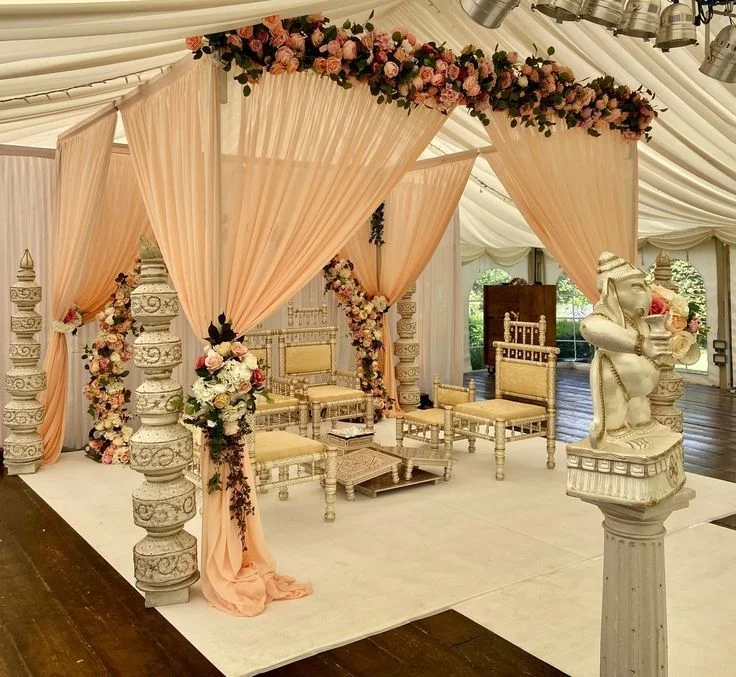
The way a fabric feels, how it falls, and the kind of finish it has can completely change the look of the mandap. Some fabrics make it look grand and royal, while others give a soft, simple, or even dreamy vibe. Heavier materials usually create a rich and traditional feel, whereas lighter, sheer fabrics bring flow and elegance. Even lighting behaves differently on each fabric. Satin shines and reflects light, velvet gives a deep and bold look, and organza adds a soft layered effect.
When you choose the right Mandap cloth, everything comes together beautifully—from the couple’s outfits to the flowers and overall décor theme—instead of looking mismatched.
Practical Factors to Consider Before Choosing Fabric
Before finalizing any draping material, think about these things carefully:
- Season and weather conditions
- Indoor or outdoor venue
- Structure strength and how much weight it can handle
- Lighting setup
- Budget and whether the fabric can be reused
Keeping these points in mind helps you maintain both beauty and safety in the mandap setup.
10 Popular Types of Mandap Cloth Used in Indian Weddings
Silk Fabric
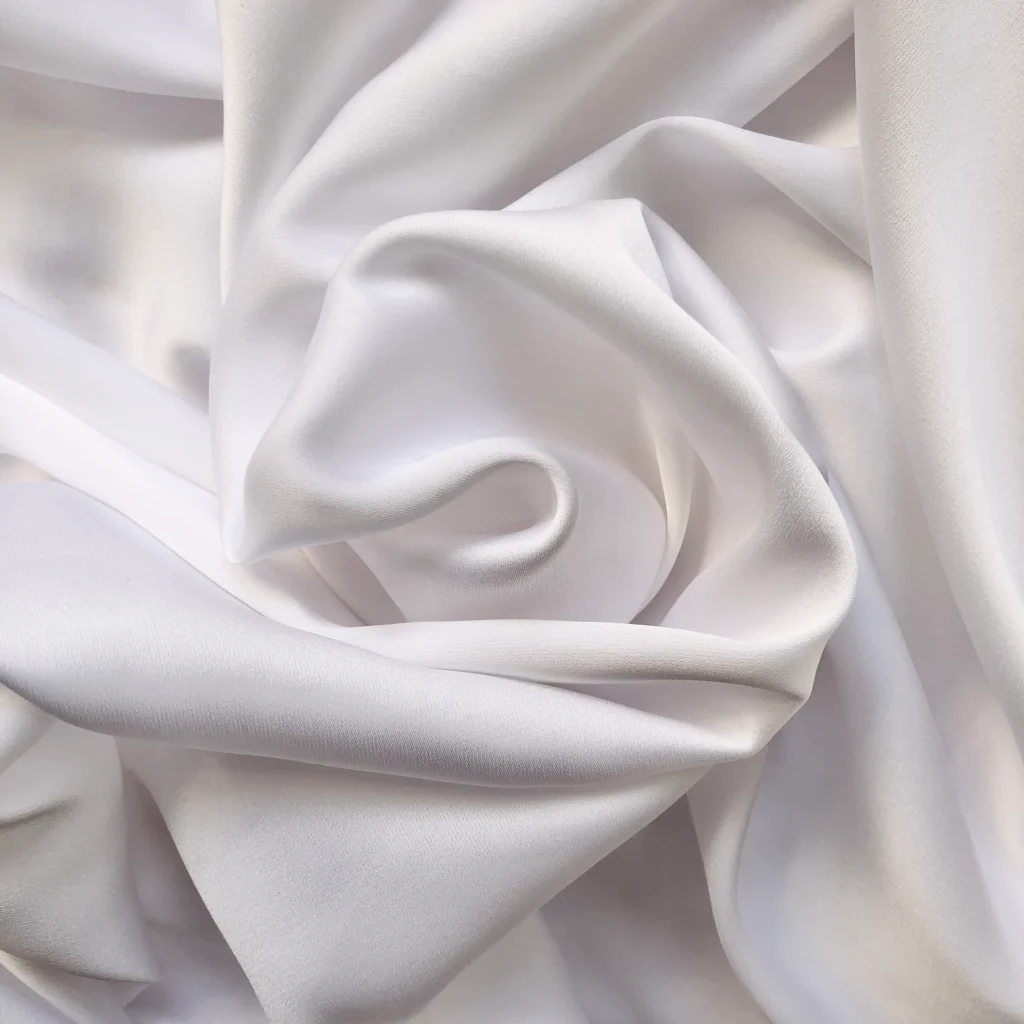
Silk has always been linked with royalty and tradition. It has a natural shine that makes the setup look rich and grand, which is why it’s a popular choice for temple-style or heritage-themed weddings. Colors like red, gold, maroon, and other deep jewel shades look especially beautiful in silk.
At the same time, silk is a heavier fabric, so the mandap structure needs to be strong enough to support it properly. It’s usually selected for traditional ceremonies where creating a classy and elegant look is the main focus.
Banarasi Fabric
Banarasi fabric is known for its detailed zari work and beautiful woven patterns. The moment you use it, the whole setup starts looking rich and rooted in tradition. It carries a strong cultural feel, which makes it a great choice for North Indian weddings and ceremonies that highlight rituals and heritage.
When used as Mandap cloth, Banarasi fabric itself becomes the highlight. You don’t even need too many flowers or extra decoration because the fabric already gives that royal, traditional look on its own.
Chiffon Fabric
Chiffon is light, soft, and very easy to handle. It falls beautifully and is simple to pleat or layer, which is why decorators love using it for destination weddings and beach ceremonies. When there’s a little breeze, chiffon moves gently, giving the whole setup a soft and dreamy feel.
It looks especially nice in pastel colors and under soft lighting, where its flow and texture really stand out.
Organza Fabric
Organza has a slightly firm texture but is still transparent, which gives it a nice balance of structure and lightness. It doesn’t fall too loosely, so it helps create neat and defined drapes while still looking soft and airy. That’s why it’s often used in layered designs where different fabrics are combined to add depth.
It also looks beautiful with flower decorations and fairy lights. The light passes through it gently, which makes modern wedding setups feel elegant and stylish without looking too heavy.
Velvet Fabric
Velvet instantly makes the mandap look rich and dramatic. It has a thick, plush texture that doesn’t reflect much light, so darker shades like maroon, navy, or emerald look even deeper and more intense. That’s why velvet works especially well for winter weddings or indoor venues with warm lighting.
When used as Mandap cloth, velvet creates a strong and bold presence. It looks stunning when paired with gold details, traditional décor elements, or statement lighting.
Net Fabric
Net fabric is often used to create soft, layered designs, especially for ceiling draping. Since it’s transparent and lightweight, light can easily pass through it, which makes it perfect to use with chandeliers, hanging lights, or decorative elements.
On its own, a net usually looks too simple. But when it’s placed over a heavier base fabric, it adds softness and depth, making the whole setup look more elegant and balanced.
Satin Fabric
Satin has a smooth and slightly shiny surface that gives a neat and polished look. It reflects light evenly, which makes the mandap appear clean and well-finished. That’s why it works really well for modern, minimalist weddings where the décor is simple but stylish.
Since satin is lighter than silk, it’s easier to handle and manage, especially when you need to cover larger areas with drapes.
Brocade Fabric
Brocade is known for its raised designs and detailed woven patterns. It’s a thicker fabric, which makes it perfect for traditional wedding setups. Even without too much extra decoration, its textured surface already gives a rich and grand look.
When used as Mandap cloth, brocade can easily take the place of heavy backdrop panels because the fabric itself looks decorative and complete.
Cotton Fabric
Cotton is light, comfortable, and easy to work with. It allows air to pass through, which makes it a good choice for daytime functions and smaller, intimate weddings. It may not have the rich shine of silk, but it fits perfectly with rustic, simple, or minimal décor styles.
Another advantage is that cotton is affordable and can be reused, which makes it a practical option for many wedding setups.
Georgette Fabric
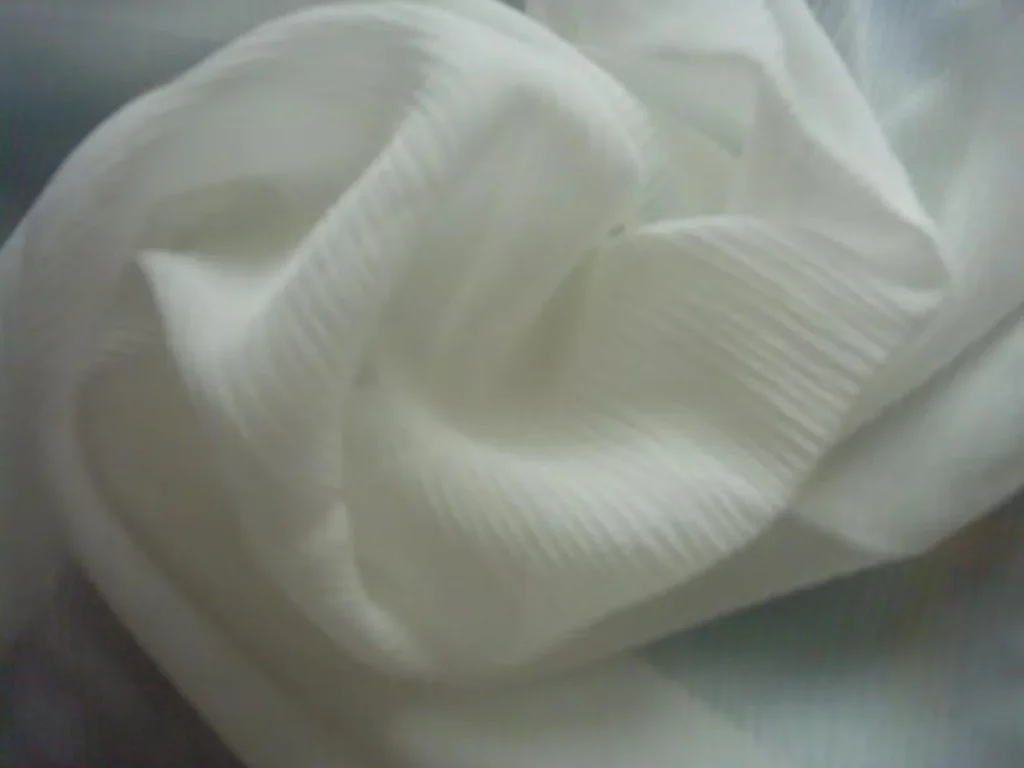
Georgette is simple to drape and has a light texture that gives it a nice flow. It’s not as sheer as chiffon and not as shiny as satin, so it sits somewhere in between in terms of weight and feel. Many decorators prefer it because it’s budget-friendly and works well for different styles of setups.
When used as Mandap cloth, georgette creates soft and graceful folds without making the structure look too heavy or overloaded.
How to Choose the Right Fabric Based on Wedding Theme
Royal and Traditional Themes
Modern and Minimal Weddings
Destination or Beach Weddings
Light fabrics like chiffon and georgette are usually a better choice. They let air pass through easily and flow nicely with the breeze, especially in open or outdoor settings.
Choosing the right Mandap cloth according to the wedding theme helps everything look well-matched—from the décor to the venue—instead of feeling out of place.
Seasonal Guide to Wedding Draping Fabrics
Summer Weddings
Winter Weddings
Monsoon Weddings
Try not to pick fabrics that soak up too much moisture, especially if the wedding is during monsoon or in a humid location. Materials like satin or certain synthetic blends are easier to manage in such weather because they don’t absorb water quickly and hold their shape better.
Weather really matters when planning mandap décor, as it affects both the comfort of the guests and the safety of the entire setup.
Latest Trends in Wedding Mandap Draping
These days, decorators like to try new things with layered sheer fabrics, soft pastel colors, and eco-friendly materials. Many couples are also choosing fabrics that can be reused later, so there’s less waste after the wedding.
Shades like ivory, blush pink, and soft gold are very popular right now. Instead of using just one plain fabric, combining two matching materials gives the mandap more depth and makes it look more stylish.
In modern setups, Mandap cloth is often used with sleek metal frames and simple floral décor. This creates a clean and balanced look without making the design feel too heavy.
Common Mistakes to Avoid While Selecting Fabric
While planning wedding decor, many people think only about the color. But the weight of the fabric and the way it falls are just as important.
Common mistakes include:
- Choosing a heavy fabric without checking if the frame can support it
- Not considering how lighting will look on that fabric
- Using too many thick layers, which makes the setup look bulky
Talking to an experienced decorator can help you avoid these problems and make sure the Mandap cloth adds beauty to the setup instead of making it look overloaded.
Final Thoughts
The mandap is truly the emotional and spiritual center of an Indian wedding. It’s the place where vows are taken and new beginnings are blessed. The fabric used for draping doesn’t just affect how the mandap looks—it also sets the mood of the entire ceremony. From rich silk that feels royal to light chiffon that feels soft and dreamy, every fabric creates a different vibe.
When you understand the texture, season, wedding theme, and structure requirements, it becomes much easier to choose wisely. Whether it’s a small, intimate function or a big, grand celebration, the right Mandap cloth can completely uplift the experience and leave lasting memories.
If you’re exploring wedding décor fabric options, always check the quality, durability, and how suitable the material is for your setup. And if you need reliable, premium fabric choices for wedding décor, you can explore collections at ThePrintInkCo to find materials that match your vision perfectly.