
Table of Contents
Introduction
Choosing the right fabric for your business can feel overwhelming. If you’re in the textile industry, you’ve probably heard about RFD fabric. But what exactly is it? And more importantly, should you choose cotton or polyester? Many business owners struggle with this decision because they don’t fully understand the differences. Don’t worry – this guide will help you understand both options clearly. You’ll learn what rfd fabric suppliers offer and how to pick the right fabric for your specific needs.
What is RFD Fabric?
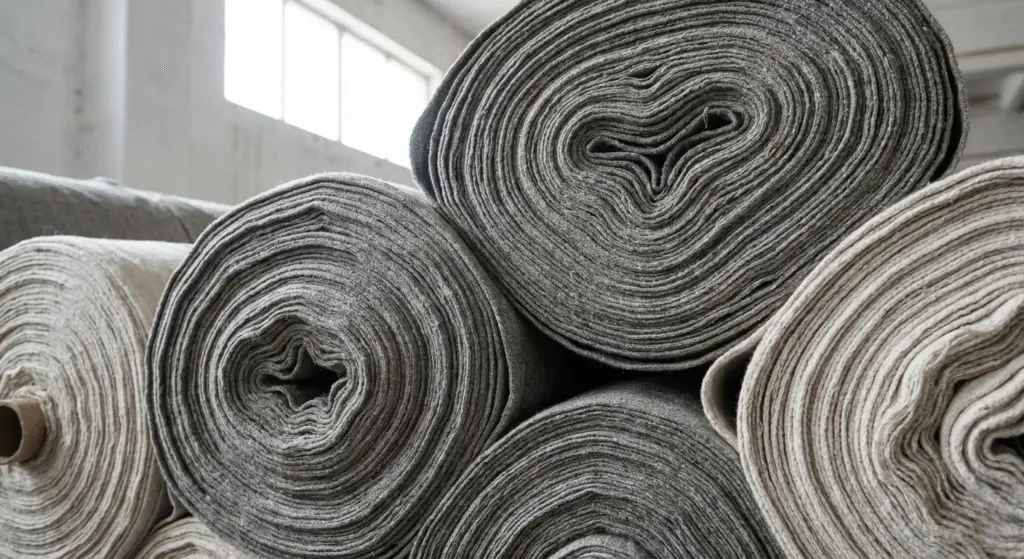
RFD stands for “Ready for Dyeing.” It’s also called greige or grey fabric. Think of it as a blank canvas. The fabric has been woven but hasn’t been dyed or printed yet. It’s in its raw, natural state, waiting for color.
Why does this matter? RFD fabric gives you complete control over the final color and design. Instead of buying pre-dyed fabric in limited colors, you can dye it exactly how you want. This flexibility is perfect for businesses that need specific colors or want to create custom designs. Rfd fabric suppliers are the companies that provide this undyed fabric to manufacturers, designers, and textile businesses. They play a crucial role in the supply chain, offering quality raw materials that can be transformed into finished products.
Cotton RFD Fabric – Features and Benefits
What Makes Cotton RFD Special?
RFD stands for “Ready for Dyeing.” It’s also called greige or grey fabric. Think of it as a blank canvas. The fabric has been woven but hasn’t been dyed or printed yet. It’s in its raw, natural state, waiting for color.
Why does this matter? RFD fabric gives you complete control over the final color and design. Instead of buying pre-dyed fabric in limited colors, you can dye it exactly how you want. This flexibility is perfect for businesses that need specific colors or want to create custom designs. Rfd fabric suppliers are the companies that provide this undyed fabric to manufacturers, designers, and textile businesses. They play a crucial role in the supply chain, offering quality raw materials that can be transformed into finished products.
Best Uses for Cotton RFD
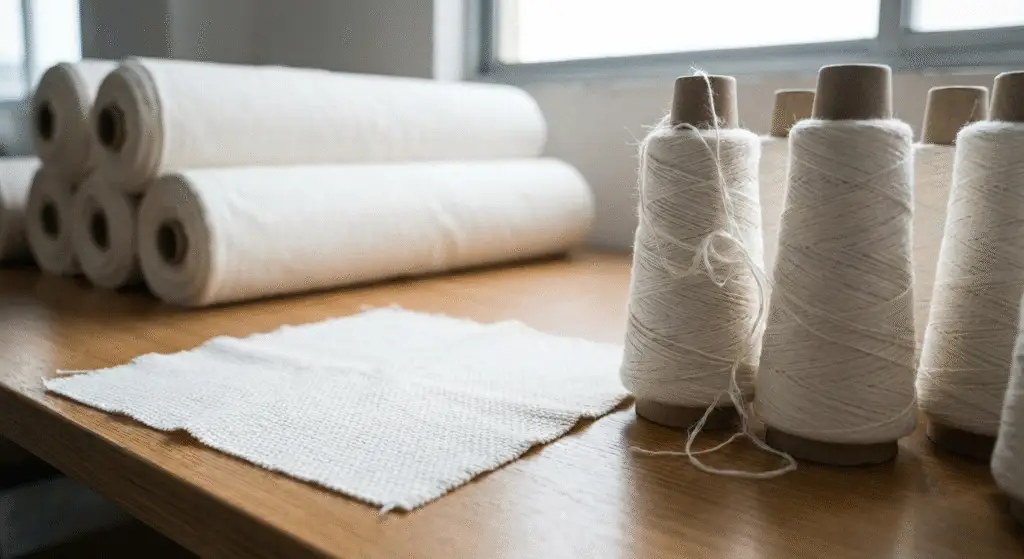
Cotton RFD fabric works wonderfully for clothing items where comfort is the top priority. T-shirts and casual wear made from cotton feel soft against your skin and allow your body to breathe throughout the day. The fabric is also perfect for bed sheets and pillowcases because its breathability helps you sleep comfortably without overheating during the night.
Towels and bathrobes benefit greatly from cotton’s absorbency. The fabric quickly soaks up water, making it ideal for these everyday items. Parents often choose cotton for baby clothes because it’s safe, gentle, and hypoallergenic for sensitive skin. Summer dresses and shirts made from cotton keep you cool even in hot weather. Choose cotton when comfort, breathability, and a natural feel are your top priorities.
Cotton RFD: Pros and Cons
Cotton offers many advantages that make it a popular choice. It’s extremely soft and comfortable, which customers appreciate in clothing that touches their skin directly. The fabric breathes well, making it perfect for hot weather when you need air circulation. Cotton is eco-friendly and biodegradable, which appeals to environmentally conscious consumers. It takes dye exceptionally well, producing vibrant colors that look professional. The fabric is hypoallergenic, making it gentle on sensitive skin, and it actually gets softer with each wash, improving over time.
However, cotton does have some drawbacks. It can shrink after washing, usually by about three to five percent, which requires careful pre-treatment. The fabric wrinkles easily and often needs ironing to look crisp and professional. Cotton is more expensive than polyester, which affects your profit margins. It takes longer to dry after washing compared to synthetic fabrics. With repeated washing and exposure to sunlight, cotton can fade over time, losing some of its original vibrancy.
Polyester RFD Fabric – Features and Benefits
What Makes Polyester RFD Different?
Polyester is a synthetic fiber created from petroleum products through a chemical process. It’s engineered to be strong and durable, with properties that natural fibers can’t match. Unlike cotton, polyester doesn’t absorb much moisture. Instead, it wicks moisture away from your skin to the fabric’s surface where it can evaporate quickly. This makes it incredibly popular for activewear and sportswear where staying dry is important.
Polyester RFD fabric is incredibly resistant to stretching and shrinking. What you see is what you get – it maintains its shape wash after wash. This stability makes it easier to work with during manufacturing and ensures that finished products keep their intended size and shape throughout their lifetime. The fibers are smooth and tightly constructed, giving polyester a sleek appearance that many customers find appealing.
Best Uses for Polyester RFD
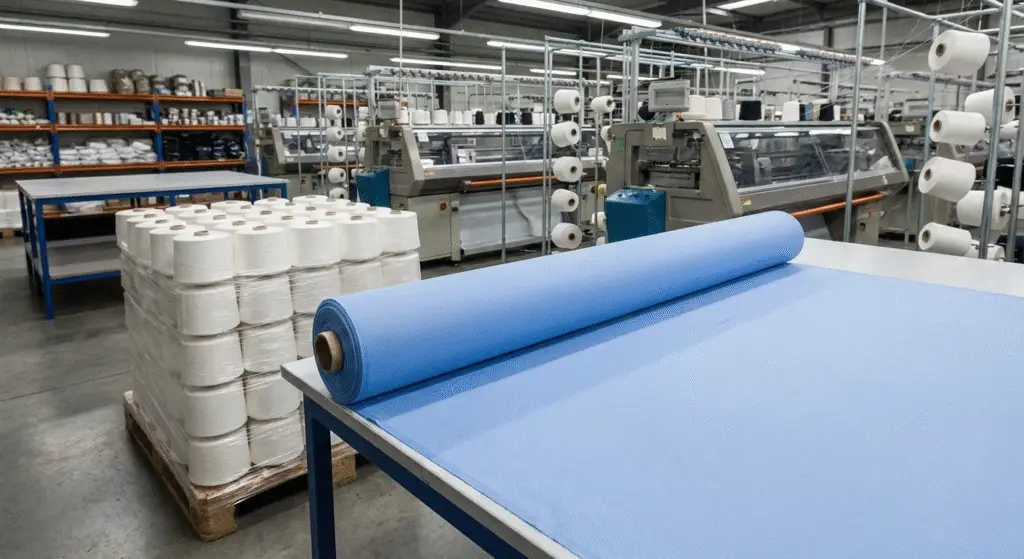
Polyester RFD fabric excels in applications where durability and performance matter most. Sportswear and gym clothes benefit from polyester’s moisture-wicking properties, which keep athletes dry and comfortable during intense workouts. The fabric is also excellent for outdoor gear because its durability stands up to tough conditions like hiking, camping, and climbing.
Many businesses choose polyester for uniforms because the fabric maintains a professional appearance with minimal care. It doesn’t wrinkle easily, so employees look neat throughout their shifts. Upholstery and curtains made from polyester resist fading from sunlight, making them ideal for sunny rooms. Bags and backpacks benefit from polyester’s strength and water-resistance, protecting contents from the elements. Workwear often uses polyester because it’s tough enough for industrial environments where fabrics face daily wear and tear. Choose polyester when durability, easy care, and budget-friendliness matter most.
Polyester RFD: Pros and Cons
Polyester brings impressive advantages to the table. It’s very durable and long-lasting, often outliving cotton products by years. The fabric is wrinkle-resistant, looking neat without ironing, which saves time and energy. Polyester is more affordable than cotton, helping businesses control costs. It dries quickly after washing, which is convenient for both manufacturers and end users. The fabric holds its shape well with no shrinking, eliminating sizing problems. Polyester resists fading and stains better than natural fibers, and it’s strong and tear-resistant, standing up to heavy use.
On the downside, polyester is less breathable than cotton, which can make wearers feel hot in summer weather. The fabric isn’t as soft as cotton, though modern manufacturing has improved this considerably. There are environmental concerns because polyester is petroleum-based and not biodegradable. The dyeing process requires different methods, specifically disperse dyes at high temperatures, which can increase production costs. Polyester can retain odors more than natural fibers, and some people find it feels less “natural” against their skin compared to cotton.
Head-to-Head Comparison
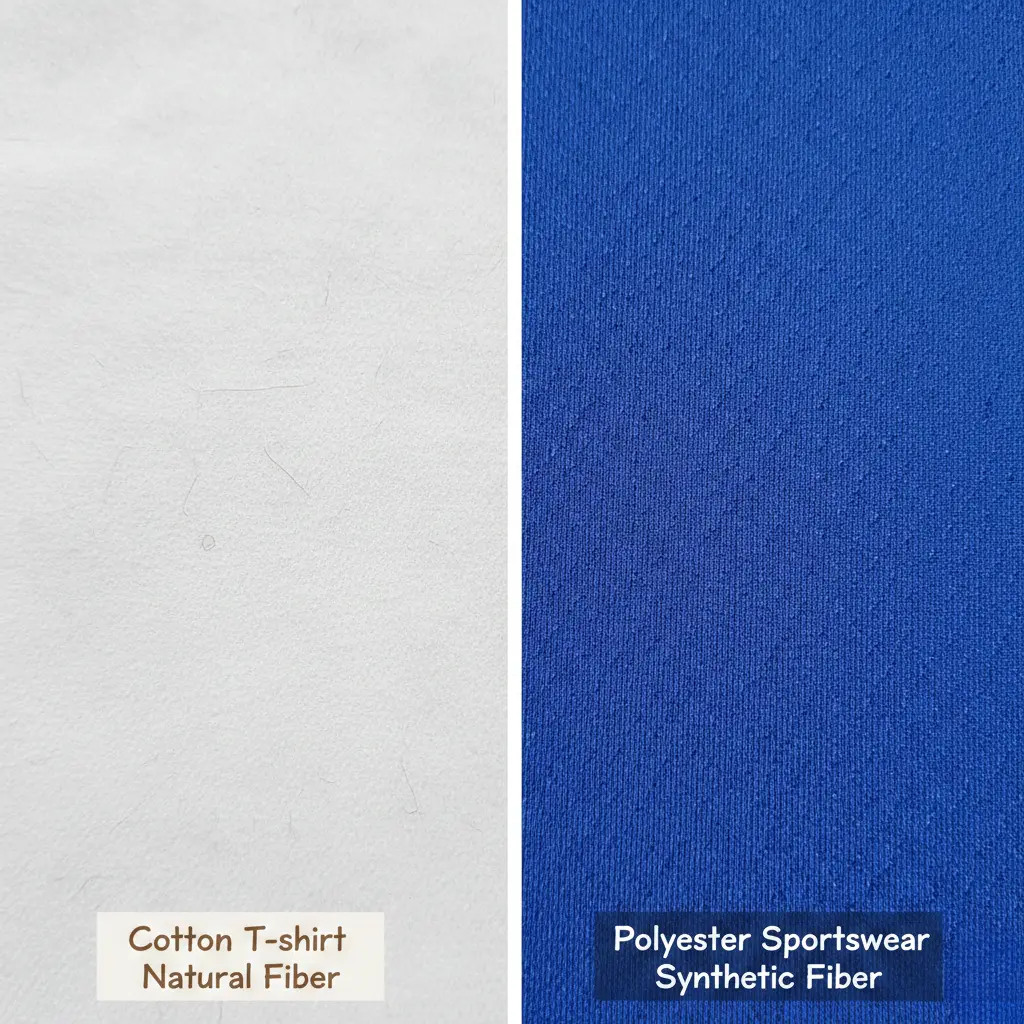
When comparing costs, cotton RFD fabric is generally more expensive than polyester. However, price isn’t everything. Cotton offers superior comfort with its soft, breathable feel, while polyester provides a smoother but less breathable experience. For dyeing, cotton is easier to work with and produces vibrant colors, whereas polyester requires special dyes and higher temperatures. In terms of care, cotton needs ironing and dries slowly, while polyester is wrinkle-free and quick-drying.
Environmentally, cotton wins as a biodegradable natural fiber, while polyester’s synthetic nature raises concerns. Cotton excels in comfort clothing and home textiles, while polyester dominates in sportswear and outdoor gear.
What Professional RFD Fabric Suppliers Offer
Quality Standards and Certifications
Reputable rfd fabric suppliers don’t just sell fabric – they guarantee quality through recognized certifications. For cotton fabrics, look for GOTS, which stands for Global Organic Textile Standard and ensures organic farming practices were used. The OEKO-TEX Standard 100 tests fabrics for harmful substances, protecting both workers and end users. The Better Cotton Initiative promotes sustainable cotton farming practices that benefit farmers and the environment.
For polyester fabrics, the OEKO-TEX Standard 100 remains important, confirming the fabric is safe for human use. The Global Recycled Standard verifies that polyester contains genuine recycled content, supporting circular economy principles. ISO certifications indicate that suppliers have quality management systems in place. These certifications matter because they protect your business and your customers. They ensure the fabric is safe, ethically produced, and meets international standards that customers increasingly expect.
Customization Options
Professional suppliers offer flexibility that helps you create exactly what your business needs. Fabric weights range from lightweight options around 100 GSM for delicate garments to heavyweight fabrics over 300 GSM for jackets and upholstery. The weight you need depends entirely on your final product. Different weaves create different properties and appearances. Plain weave offers basic strength, twill provides diagonal patterns and durability, satin gives a smooth luxurious feel, and jersey knit offers stretch and comfort.
Fabric widths commonly range from 44 inches to 110 inches, affecting how efficiently you can cut patterns and minimize waste. Minimum order quantities vary widely between suppliers. Some require thousands of meters, which works for large manufacturers, while others accommodate smaller quantities perfect for startups and small businesses testing new products. Most good suppliers provide samples so you can physically test the fabric before placing large orders. Never skip this step – what looks good on a screen might feel different in your hands.
Technical Support
The best suppliers act as partners, not just vendors. They offer dyeing recommendations, providing expert advice on the best dye types and processes for your specific fabric and application. Their fabric selection guidance helps you match fabric characteristics to your product needs, considering factors you might not have thought about. Testing services include shrinkage tests, colorfastness tests, and strength tests that verify the fabric will perform as expected. When problems arise during dyeing or manufacturing, good suppliers offer problem-solving support, drawing on their experience to find solutions quickly.
How to Choose Between Cotton and Polyester RFD
Consider Your End Product
Making the right choice starts with understanding your product and customers. Think carefully about who will use your product. Babies need gentle cotton that won’t irritate delicate skin, while athletes need moisture-wicking polyester that keeps them dry during workouts. Consider where the product will be used. Hot climates favor cotton’s breathability, while outdoor conditions favor polyester’s durability and weather resistance.
How often will customers wash the product? Items that face frequent washing benefit from polyester’s ability to hold up better over time. Think about the expected lifespan. For short-term fashion items, cotton works fine, but for long-term products like outdoor gear, polyester’s longevity makes more sense. Consider whether appearance matters more than comfort. Polyester stays wrinkle-free and looks crisp, while cotton prioritizes how the fabric feels against skin.
Budget Considerations
Cotton costs more upfront, but smart business owners don’t make decisions on price alone. Consider the total cost of ownership. Polyester might need special dyeing equipment and higher temperatures, increasing your processing costs. Cotton can be dyed with simpler, less expensive methods. Volume discounts significantly affect pricing. Larger orders typically bring better prices from suppliers, sometimes reducing per-meter costs by twenty to thirty percent.
Think about quality versus quantity. Sometimes paying more for better cotton saves money in the long run through fewer customer returns and better brand reputation. Calculate your full costs including fabric, processing, labor, and potential returns before making your decision.
Working with Suppliers
Building a good relationship with your supplier starts with asking the right questions. Find out their minimum order quantity to ensure it matches your business scale. Always request samples before ordering to test the fabric yourself. Ask about their certifications to verify quality and ethical production. Understanding their average delivery time helps you plan production schedules. Inquire whether they offer technical support for dyeing, which can be invaluable when problems arise. Know their return or exchange policy before committing. Request test reports for their fabric to verify the specifications match what they claim.
Watch out for red flags that indicate unreliable suppliers. Be cautious of suppliers with no certifications or who refuse to provide documentation. Avoid those unwilling to send samples – legitimate suppliers are happy to let you test their products. Prices that seem too good to be true usually are, often indicating inferior quality. Poor communication or slow responses suggest ongoing problems. Suppliers with no physical address or unclear business registration may not be legitimate businesses. Trust your instincts – if something feels wrong, look for another supplier.
Practical Tips from Industry Experience
For Cotton RFD Users
Always pre-shrink cotton before cutting and sewing your products. Wash the fabric in hot water and dry it completely. This simple step prevents unhappy customers dealing with shrunken garments after their first wash. Cotton dyes best at temperatures between 140 and 180 degrees Fahrenheit using fiber-reactive or direct dyes. These dyes create strong chemical bonds with cotton fibers, ensuring colors last through many washes. Store cotton fabric in a cool, dry place away from direct sunlight. Moisture can cause mildew, while sunlight can fade colors even before you’ve used the fabric.
For Polyester RFD Users
Polyester requires disperse dyes and high heat, typically around 266 degrees Fahrenheit. Standard cotton dyes simply won’t work on polyester fibers. After dyeing, always heat-set polyester to lock in colors and reduce any potential shrinkage. This extra step ensures the finished product maintains its appearance and dimensions. Avoid one common mistake: don’t use fabric softener on polyester intended for sportswear. Fabric softener coats the fibers and reduces moisture-wicking properties, defeating the main advantage of using polyester for athletic wear.
Conclusion
Both cotton and polyester RFD fabrics have their place in the textile industry. Cotton offers unmatched comfort, breathability, and a natural feel that customers love, especially in clothing that touches skin directly. Polyester provides durability, easy care, and cost-effectiveness that businesses appreciate, particularly for performance products and items that need to withstand heavy use.
There’s no universal “best choice” between these two fabrics. The right fabric depends entirely on your specific product, target market, and business goals. A children’s clothing brand might prefer cotton’s softness and safety, while a sportswear company needs polyester’s performance features.
At Theprintinkco connects you with trusted rfd fabric suppliers offering both cotton and polyester options with full certifications and technical support. Whether you need samples, bulk orders, or expert guidance on fabric selection, we’re here to help your business succeed. Visit Theprintinkco today and discover quality fabrics that meet your exact specifications!