
Table of Contents
Introduction
Buying digital printed fabric in bulk looks easy on paper. Pick a design, pay the advance, wait for the roll. But it rarely goes that smoothly, especially the first time. Fabric base, GSM, ink type and order size all change the final bill. If you are still figuring out the basics, our guide to fabric printing methods is a decent place to begin.
Take Meera, a boutique owner from Pune. She ordered 600 metres of printed rayon from the cheapest trader she could find. First wash, and the colours bled everywhere. Money gone. Time gone. A whole rack of kurtas nobody could sell. This guide exists so that story doesn’t become yours. We’ll go through fabric types, pricing factors, MOQs, quality checks and supplier red flags, in plain language.
What Is Digital Printing on Fabric and Where It Works Best
Think of a big office inkjet printer, but built for cloth. A design file goes in, tiny nozzles place ink straight onto the fabric, and the print comes out. No screens to make, no blocks to carve. That is the whole idea, more or less.
It matters because older methods work differently. Screen printing needs one screen per colour, so it only pays off on long runs of simple designs. Block printing is handmade and full of charm, but no two repeats look exactly alike. Digital printing sits in the middle. It handles fine detail, gradients and many colours without extra set-up, which is why short and medium runs suit it so well.
Where does it get used? Mostly in clothing. Printed fabric for garment manufacturers is a major segment, covering kurtis, dresses, shirts, scarves and dupattas. Home décor brands use it for cushions, curtains and bedsheets. Quilters like it for custom patchwork, and upholstery makers pick heavier bases for sofas and chairs. Same technology, very different end products.Why India Is a Strong Sourcing Hub for Digital Printed Fabric
India has something many countries don’t: the whole textile chain in one place. Cotton is grown here, yarn is spun here, fabric is woven or knitted here, and then it gets dyed, processed and printed here. Fewer handovers mean fewer delays. That is why many buyers of digital printed fabric wholesale look to India first.
Different cities lean towards different strengths. Surat is well known for synthetic fabrics and processing units. Jaipur is famous for its printing traditions and cotton-based work. Ahmedabad has a long textile history, and Tirupur is a knitwear name everyone in the trade knows. If you search for digital print fabric manufacturers in these hubs, you will find everything from small sampling units to large mills running several machines.
Being close to dyers, finishers and yarn suppliers usually helps with lead time and cost. Usually, not always. A busy mill can still keep you waiting, so get a delivery date in writing. A digital fabric printing manufacturer who is open about machine capacity is generally a good sign.Fabric Bases Buyers Usually Order for Digital Printing
Apparel Bases: Cotton, Rayon, Georgette and Satin
Cotton digital printed fabric is the safe pick for everyday wear. It breathes well, takes colour nicely and suits kurtis, shirts and kidswear. Just check whether it has been pre-treated, because untreated cotton can shrink more than you expect. You can browse cotton base options before you decide.
Rayon digital printed fabric feels soft and drapes beautifully, which is why you see it in so many dresses and co-ord sets. The catch? Rayon can shrink and weaken when wet, so a proper wash test matters more here.
Satin digital printed fabric brings a glossy surface that makes colours look rich. Many satins are polyester-based, so they are usually printed with disperse or sublimation inks, while silk-blend satins need a different ink system. Georgette and crepe are lighter and flowy, popular for tops, sarees and dupattas. Ask your supplier which ink system they use on each base. A vague answer tells you something.Home and Upholstery Bases: Canvas, Polyester and Blends
What Decides Wholesale Digital Printed Fabric Pricing
Base Fabric, GSM and Print Method
Sampling, Freight and Other Extras
Digital Print Fabric Wholesale: MOQ, Sampling and Custom Designs
MOQ, or minimum order quantity, is the first number most buyers ask about. And it is rarely one fixed number. With digital print fabric wholesale orders, in-stock designs usually come with a lower MOQ, since the fabric is ready and the artwork is already set up. Custom designs need fabric preparation, colour matching and machine time, so suppliers ask for more. Bigger orders often bring better rates per metre, but only if you will actually sell them. Don’t stretch your cash for a cheaper rate on bulk printed fabric that ends up sitting in storage.
A decent sampling process goes like this. You share the design. The supplier prints a small strike-off on your chosen base. You check it in daylight, compare it with your reference, and approve in writing. Only then does bulk printing begin. Skip any of these steps and you are gambling.
Design files need care too. Send high-resolution artwork, generally somewhere around 150 to 300 dpi at actual print size, and ask which colour profile the printer prefers. Screen colours never match printed colours exactly, so a physical sample beats any on-screen preview. If you are planning your own prints, our custom fabric printing page explains how the process works.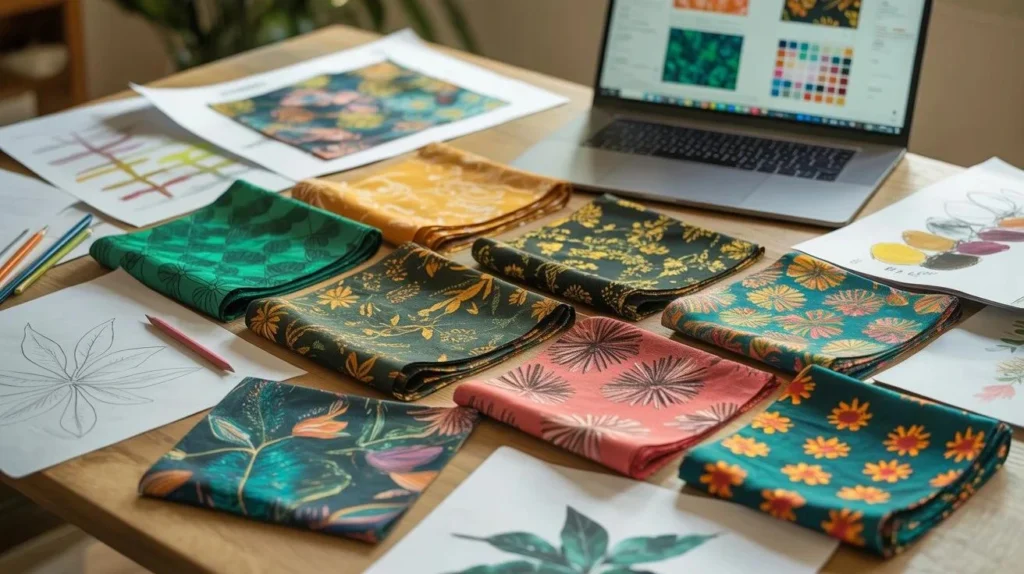
How to Check Quality Before Placing a Bulk Order
Simple Tests You Can Do on a Swatch
Certifications and Paperwork Worth Asking For
How to Pick a Supplier You Can Trust
Anyone searching for digital print fabric wholesale in India will meet three kinds of sellers: manufacturers, traders and agents. A manufacturer controls the printing, so they can answer questions about ink, machine time and defects directly. A trader may offer more variety and smaller quantities, but adds a margin and often can’t explain what happens on the production floor. Agents sit in between, and quality depends on who they work with. None of them is automatically bad. What matters is whether they answer honestly.
Red flags are usually easy to see. A supplier who won’t send a swatch. A sample that looks far better than the bulk. Vague answers on GSM, ink type or shrinkage. No GST invoice. Pressure to pay the full amount upfront. Any one of these is a reason to pause.
Before you commit, ask a few direct questions. What is the MOQ for my design? How long will production take? What happens if the print is defective? What are the payment terms? How will the rolls be packed and dispatched? A reliable printed fabric supplier answers these without dancing around. Honestly, the way they respond often tells you more than the price list.Mistakes First-Time Wholesale Buyers Make
Rohan skipped sampling because the supplier was in a hurry and the price looked good. The bulk print came out darker than his reference. He had already paid. The lesson is simple: approve a sample, every time.
Then there is Sana, who picked the lowest rate per metre. She later found the GSM was lighter than she assumed, and her garments felt thin. The cheapest quote and the best value are rarely the same thing.
Another common one is sending a low-resolution design. On a phone screen it looked fine. On three metres of fabric it looked blurry. Check file quality before you send anything. And a quiet mistake: ignoring shrinkage and wastage. Order exactly the quantity you calculated, and the garments come up short after washing and cutting. Add a sensible buffer. If you are ordering digital print fabric wholesale for the first time, start with a smaller trial lot, learn how your supplier works, then scale up.
Quick Buying Checklist- Decide the end product first, then pick the base fabric.
- Compare quotes on the same GSM, width and print method.
- Always approve a physical sample in writing.
- Run wash, rub and shrinkage tests on a swatch.
- Ask for lab reports, GST invoice and a defect policy.
- Confirm lead time and payment terms before paying.
Conclusion
Buying in bulk gets easier once you know what to look at. Pick the right base, understand what moves the price, test a swatch, and question your supplier honestly. Do that, and digital printed fabric stops being a gamble and becomes a dependable part of your product line. Start small if you must, but start with a sample. Ready to see your design on real fabric? Request samples or a quote from The Printink Co and take the first step with a team that will walk you through it.
FAQs
It depends on the fabric, the design and the supplier. In-stock designs usually have a lower MOQ, while custom prints need more. Ask your supplier for exact numbers.
It depends on the end use. Cotton and rayon suit everyday garments, satin and georgette suit dressy pieces, and canvas or polyester work well for home textiles.
Yes, most suppliers accept custom artwork. Send a high-resolution file and approve a sample before bulk production starts.
It depends on quantity, base fabric and how quickly you approve the sample. Always ask for a written timeline.