
Table of Contents
Introduction
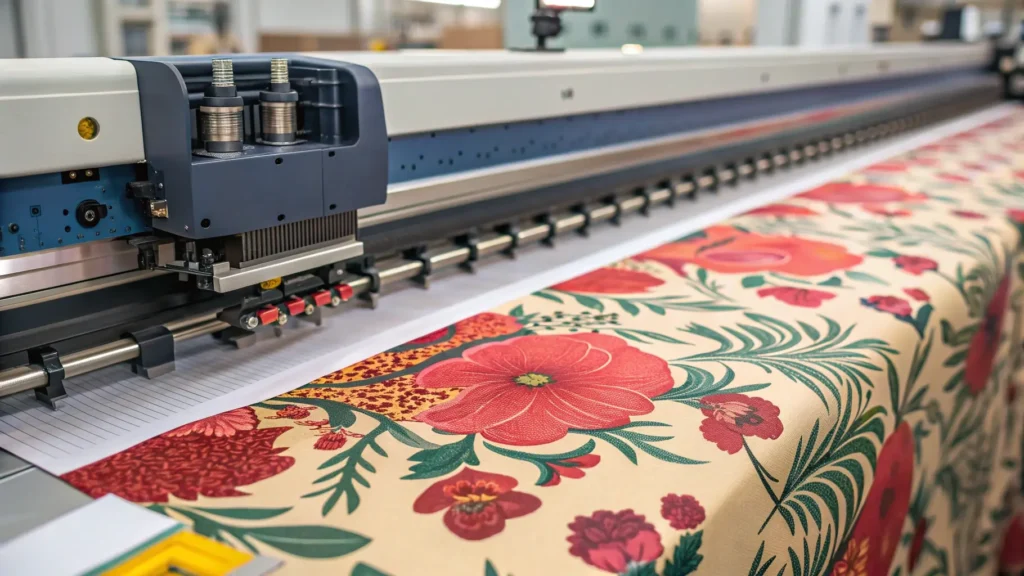
Digital printed fabric refers to fabric that has been printed directly through digital printers, similar to the way a regular printer prints on paper, using textile inks. Rather than using screens or blocks as printing methods do, the design is made on a computer and directly onto the fabric. This allows for every little detail, shade of color, and pattern to show up sharply and beautifully…
Today, digital printed fabric makers employ more sophisticated printing devices, color management systems, and design programs to execute creative ideas. These technologies help them print beautiful, colorful, and detailed fabrics to the same standards for quality.
Understanding how this technology works can be useful for designers, fashion brands, and buyers, as it can help them select fabrics that define their creative vision, quality specifications, and sustainability requirements. It can also help them understand the value behind modern printing technology that enables durable fabric options to be custom printed in high quality.
Traditional Printing vs. Digital Printing: What’s the Difference?
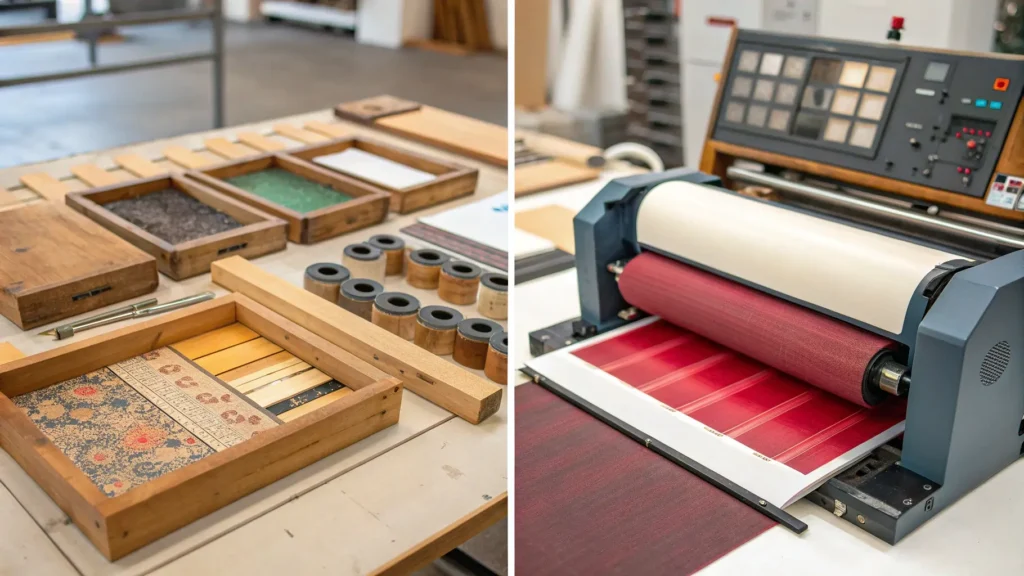
For hundreds of years, traditional methods of fabric printing such as block printing or screen printing have been used. In these methods, using physical tools in the form of screens, blocks, or stencils, designs are transferred onto fabric. Most designs contain multiple colors, which means that each color will require a separate screen or block. While the process is time-consuming, the traditional methods are less flexible for custom orders because if an artist wants to change a color or design, they must re-create all tools which must be time and labor intensive.
Digital printing functions similarly to printing a photo from your computer. A file is created in a digital design and then prints right onto the fabric using specialty printers with textile inks. This eliminates the use of screens or plates. With the technology available, it places colors and details in the exact place they should be which provides better accuracy and more vibrant results.
The main benefit of digital printing is flexibility. For instance, if a fashion designer needs to make a minor change to a pattern let’s say, for example, change the color of a flower or resize a series logo they can make that adjustment in the computer right away and reprint within minutes. With traditional printing, however, making this minor adjustment might take hours, or possibly days, to turn it around.
The Core Technology Behind Digital Fabric Printing
Today’s digital printed fabric producers use a combination of smart technologies to transfer digital designs onto physical, high quality fabric. Each step in the process has a role to play ensuring prints are sharp, colorful and long lasting.
1. Digital Printers:
Digital printers are unique textile printers that can print custom designs directly to garments and other fabric items. These printers use sophisticated print heads that apply tiny drops of ink in precise, repeatable patterns. This method enables precise printing of intricate designs—like detailed florals or smooth transitions while ensuring the final print remains sharp and vivid, with no streaks or bleeding.
2. Inkjet Technology:
Inkjet printing is the technology behind all aspects of digital fabric printing. Printers use micro nozzles to dispense inks with remarkable precision. This too allows every small fine detail from a design to appear precise. Furthermore, the process allows for easy blending of variable colors creating a professionally printed and rich finished fabric.
3. Software & Design Tools:
Before to printing, the design is prepared on the computer using software programs such as CAD (Computer-Aided Design) or RIP (Raster Image Processor). These programs help convert the digital art into a format that can be read by the printer, while also enabling designers to very easily manipulate aspect ratios, colors, sizes, and layouts before pressing “print.” This aspect is a critical factor in minimizing waste and rework!
4. Color Management Systems:
One primary issue with the printing process is being able to reproduce colors from the screen exactly onto the fabric. The color management systems are a solution to the colors matching problem. They control how inks are mixed or how colors appear on different fabrics and subsequently help ensure that the print result looks just as intended on screen into the real world.
Types of Digital Printing Technologies Used
Different digital printed fabric manufacturers use different printing methods depending on the type of fabric and the final look they want to achieve. Each method has its own strengths, making it suitable for certain materials and purposes.
1. Sublimation Printing:
This is the ideal method of customization on polyester fabrics. A design is first printed on a special paper and heat pressed onto the fabric. The ink turns to gas and bonds with the fibers, creating bright, bold, long-lasting prints that will not easily fade or peel.
2. Reactive Printing:
Reactive printing is a suitable method for natural fabrics including cotton, linen, or silk. The dyes chemically react with the fabric fibers and wick deep into the fabric, creating soft fabric and colors that stay beautiful even after repeated washings.
3. Pigment Printing:
Pigment printing is one of the most sustainable print methods because it uses less water and energy. The pigment inks rest on top of the fabric as opposed to soaking into it. This enables detailed printing on a wide range of fabric types, and is useful for short-run custom items as well as longer runs.
4. UV Printing:
UV printing is a current process using ultraviolet light to dry the ink immediately as it is printed. The process is fast and uses no water or heat in its process. The new printing method is often used for specialty coated fabrics or materials that require precise and durable prints.
How Digital Printed Fabric Manufacturers Ensure High Quality
Making beautiful fabric prints is more than just about sophisticated machines; it’s also about the processes that assure that each design is perfect from beginning to end. Digital printed fabric manufacturers follow a quality-focused series of processes to assure the quality of the finished fabric.
1. Pre-printing process:
Before to printing, fabric is treated with a specialized coating or pretreat solution. The purpose is to adequately prepare the fabric to better absorb the ink and enable better brightness and clarity in the colors. If pretreated, the ink can bleed and fade quickly.
2. Control factors:
During the print process, manufacturers will be constantly monitoring temperatures, humidity, and ink flow, among other key processes. Even small changes can cause the colors to appear differently on the fabric. Maintaining consistency in these key conditions will ensure a better print quality consistently.
3. Finishing:
Following the printing process, the fabric enters a fixing procedure (either heat or steam) which enables the pigments to bond permanently to the fibers, resulting in a robust finished fabric that can withstand washing and sunlight. A further benefit of the curing process is a soft, natural-feeling fabric.
4. Quality Control:
Lastly, each batch of fabric is inspected for color accuracy, print definition, and overall finish. Any minor mistakes or variations in color are fixed before the fabric is sent to the customer.
The Benefits of These Technologies
Today’s methods of printing fabrics have dramatically been changed by the use of modern technology. Digital printed fabric manufacturers can now provide quality results to fabric buyers, designers, and homeowners based on the advanced tools and machines available to them.
1. Sharp, Detailed, and Vibrant Designs:
Digital printing achieves flawless precision. Every line, color, and pattern displays with perfect accuracy. The colors appear bright and saturated, creating a professionally designed fabric with visual interest.
2. Faster Production and Easier Customization:
Since designs are printed directly from a digital file, there is no need to make screens or plates. The printing process is quicker and designers can make changes to their designs at any time even for a single piece.
3. Less Fabric Waste and Reduced Water Use (Eco-Friendly):
Digital printing uses much less water than traditional printing methods, and produces next to no waste. Digital printing is a more sustainable option, aiding both our environment and businesses researching greener solutions.
4. Perfect for Both Small and Bulk Orders:
If your designer needs one custom sample printed, or your brand needs to print hundreds of meters of fabric, digital printing can meet any need. This is just another feature that makes digital printing perfect for fashion labels and home décor brands and textile companies of all sizes.
The Future of Digital Fabric Printing Technology
Fabric printing is a constantly changing industry, and the latest developments in digital printed fabric is at the forefront. As technology progresses, digital printed fabric manufacturers are discovering better, faster, and better environmental alternatives to create great designs.
1. AI-Enhanced Design:
Modern designers are now harnessing the power of Artificial Intelligence (AI) technology to assist in the creation of new prints/ patterns/colorways and layouts within the design process. AI technology can scan through design or fashion trends, and even give a potential fashion designer a heads up on what they think the next season will be into style. This adds speed and creativity for the designer.
2. 3D Color Visualization:
3D color visualization tools have made it possible for artists/designers to see what and how their design will look on actual fabric before it gets printed. It has made the adjustment for the colors, textures and placement much more easy and accurate than the typical trial and error fabrics. Ultimately, it save time and guarantees that the print out process looks exactly the way the designer wanted it to.
3. Smart Inks:
Smart inks are considered the future of textile printing. Smart inks respond to temperature, light, or motion to create fabrics that change color or pattern when subjected to various stimuli. They are being created to be more durable, biodegradable, and environmentally safe.
Conclusion
The digital printing process has vastly changed the manner in which fabrics are produced breathing life into creative ideas, with brilliant colors, accuracy, and durability. From high-tech inkjet printers, color management systems, and sustainable pigments to reactive printing, every innovation leads to new possibilities in textile design. Not only can designers and brands convey their vision with an incredible level of accuracy to color, sense of design, and quality construction, but the pace of production is quicker, and it requires less waste and is better for our environment.
Moving forward, the combination of AI, 3D visualization, and smart inks will bring espxciting new potential for design personalization, creativity, and sustainability possible.
If you’re interested in exploring Digital Printed Fabric Manufacturers for your design or brand, partner with ThePrintInkCo, where quality meets imagination to create the customized an high-quality digital printed fabrics that your imagination aspires to. Let’s produce your ideas into reality with imagery and amazing color!