Email

info@theprintinkco.com

Call

+91 90995 39995

Location

Plot No 31-33, 2nd Floor, I- Block, Laxminarayan Industrial Estate B.R.C Main Road, Udhna Surat

How to Choose a Reliable Fabric Exporter for Bulk International Orders

Table of Contents

Introduction

Ordering fabric in bulk from overseas can go wrong quickly when the supplier is not dependable. The usual results are late shipments, mismatched shades and payment disputes that drag on for months. Picking the right fabric exporter protects your margins, your production schedule and your brand name. India is one of the largest textile sourcing hubs in the world, with everything from plain cotton to specialised digitally printed fabrics available at scale. This guide explains how to judge a supplier, verify their claims and avoid common sourcing mistakes before you commit to a large order.
Fabric Exporter for International Orders

What Is a Fabric Exporter and Why Does It Matter?

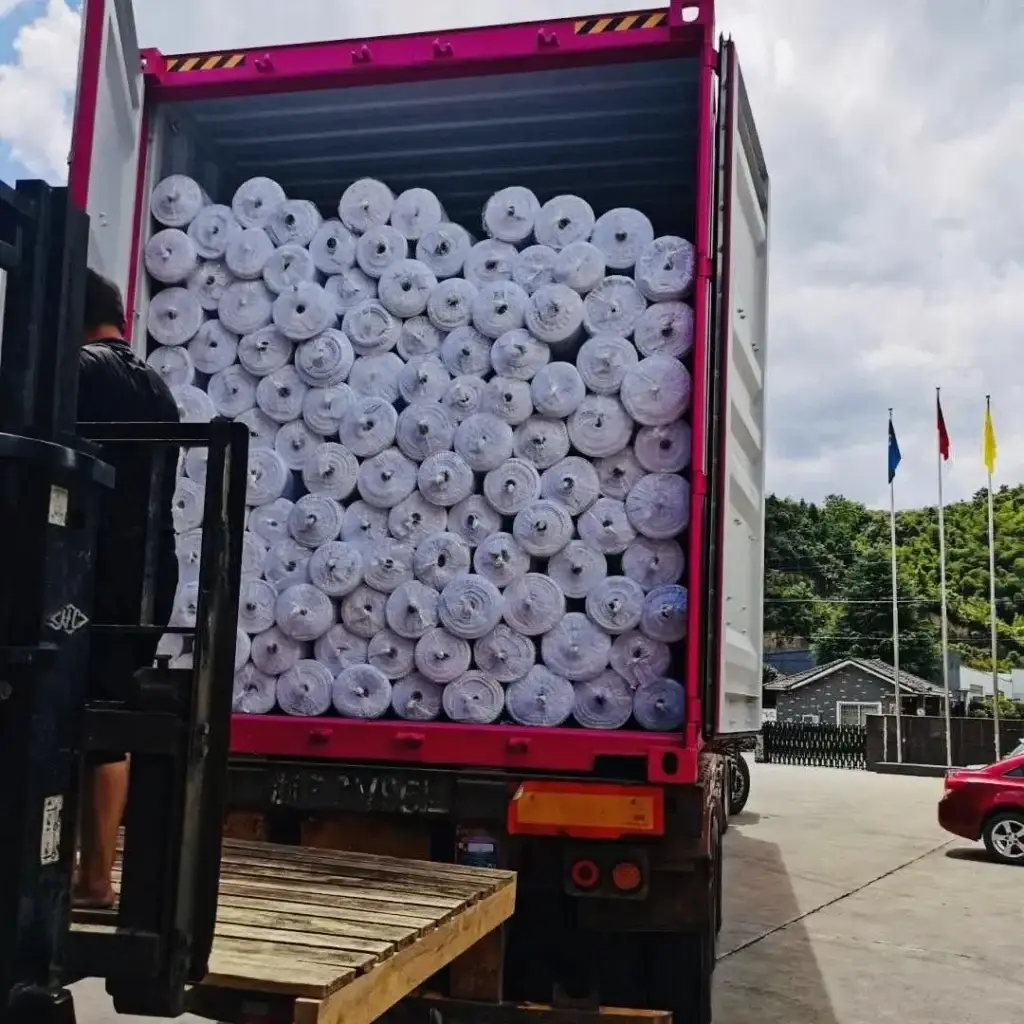
A fabric exporter is a business that sells textiles to buyers in other countries and manages production or sourcing, packing, documentation and shipping. Anyone searching for a textile exporter India offers will find hundreds of names, but these businesses do not all operate the same way. Knowing the difference early saves you from expensive surprises later.

Manufacturer-Exporter vs Trading House

A manufacturer-exporter owns the looms, processing units or printing setup and controls quality from yarn to finished roll. A trading house buys fabric from several mills and resells it. Traders can offer wide variety and quick access to stock, but they depend on other factories for consistency, which can affect repeat orders.

Why the Difference Matters for Bulk Orders

In a bulk order, even a small variation in shade or GSM can spoil an entire garment batch. Before you shortlist a fabric exporter, ask directly who produces the fabric, whether the same mill will supply every batch, and how much control they have over dyeing and finishing. Clear answers usually signal a supplier who understands responsibility.

Key Factors to Evaluate in a Fabric Exporter

Start with capacity. A dependable fabric exporter from India should be able to state their monthly production volume, the fabric types they specialise in and the customisation they offer, such as dyeing, printing or finishing. Then look at quality control. A serious supplier inspects fabric at several stages and can share test results for GSM and fabric weight, shrinkage and colourfastness, and they should be comfortable explaining how fabric quality is tested. Minimum order quantity, pricing transparency and lead time also matter. A supplier who quotes a clear MOQ, explains what is included in the price and gives a realistic dispatch timeline is easier to plan around than one who promises everything and commits to nothing.
Certifications and Documents a Genuine Exporter Should Hold

Any wholesale fabric exporter you trust should be able to show basic business credentials without hesitation. In India these include an Importer Exporter Code issued by the DGFT, GST registration and, where relevant, membership of an export promotion council with an RCMC certificate. For product credibility, look for certifications such as OEKO-TEX for harmful-substance testing, GOTS for organic fabrics and ISO 9001 for quality management, along with REACH compliance if you ship to Europe. Read more about fabric certifications and what they mean before you ask for proof. An established Indian textile exporter will also be familiar with the commercial invoice, packing list, certificate of origin and bill of lading, and will guide you through them without confusion.

How to Verify Before Placing a Bulk Order

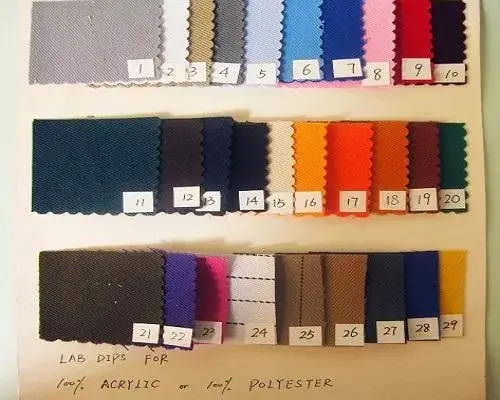
Trust is built through evidence, not conversation. A mistake buyers commonly make is approving a lab-dip or swatch and then receiving bulk fabric in a slightly different shade, which is why pre-production samples matter. Ask for a sample cut from the same production line, test it yourself or through an independent lab, and compare it against the bulk lot before dispatch. Before committing to a fabric exporter, it also helps to check a few basics:

  • Request two or three buyer references from your target market
  • Ask for photos or a video walkthrough of the facility, or arrange a visit
  • Consider a third-party inspection agency before shipment
  • Confirm sample and bulk specifications in writing
None of these steps is foolproof alone, but together they reduce risk significantly.

Payment Terms, Incoterms and Risk Protection

Payment terms reveal a lot about how a supplier works. Common arrangements include telegraphic transfer with an advance and balance split, or a letter of credit, which is a bank-backed promise of payment on meeting agreed conditions. For first-time bulk orders, many buyers prefer a smaller advance and pay the balance against shipping documents or after inspection. Incoterms such as FOB, CIF and EXW decide who bears freight, insurance and risk at each stage, so the price comparison between two quotes is only fair when the Incoterm is the same. When a fabric exporter is open about payment structure, documents and responsibilities, disputes become much easier to resolve.

Red Flags to Watch for in a Fabric Exporter

Some warning signs appear early. Prices far below the market average usually mean compromised quality, hidden charges or a trader who has not confirmed stock. Vague specifications, such as no GSM, width or composition details, suggest the supplier may not control production. Reluctance to share samples, certificates or facility details is another concern, as is pressure to pay the full amount upfront. Slow, unclear communication during the enquiry stage rarely improves after the order is placed, so treat it as a preview of what support will look like later.

Conclusion

Choosing the right fabric exporter comes down to verifying capacity, quality systems, certifications and communication before you commit money. Take your time with samples, compare Incoterms fairly and trust suppliers who are transparent. If you need custom digitally printed fabric as part of your sourcing plan, you can explore the options at The Printink co.

Scroll to Top