
Table of Contents
Introduction
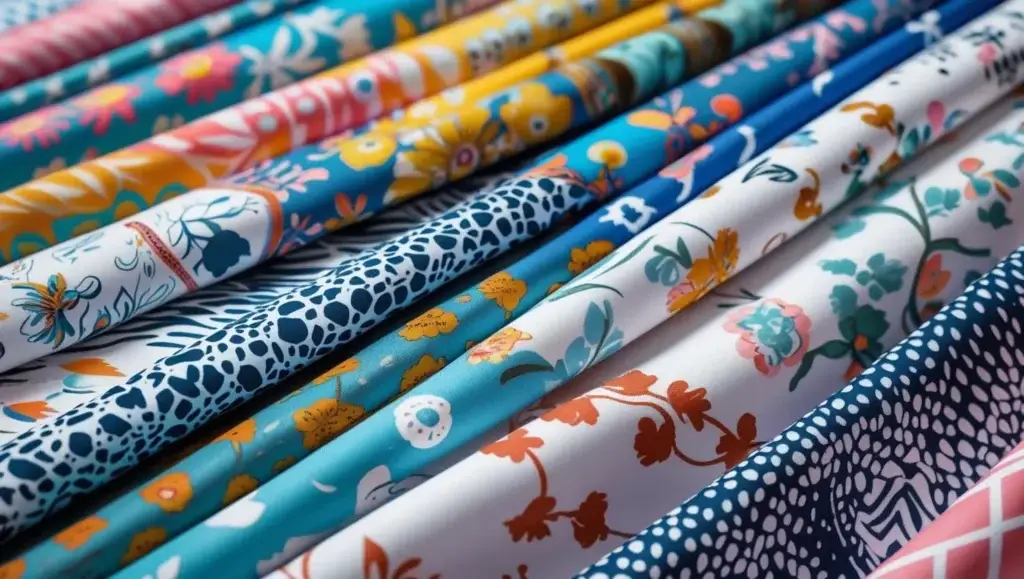
What Is Digital Printing? A Quick Overview
At its core, digital printing is a process where designs are transferred directly onto fabric using specialized inkjet technology, without the need for screens, plates, or manual setup. Unlike traditional methods that require a new screen for every colour, this approach allows unlimited colours and intricate detailing to be printed in a single pass. That’s precisely why digital printing technology has become so popular with businesses that need customization, shorter production cycles, and consistent quality across small or large runs.
There are a few common techniques used under this umbrella. Direct-to-garment (DTG) printing is widely used for apparel, sublimation printing works well on polyester-based fabrics, and reactive or pigment printing suits natural fibres like cotton and linen. Each technique has its own strengths depending on the fabric type, end-use, and durability requirements which is exactly why fashion and home textile applications often call for different approaches.Fashion Textile Printing: What Makes It Different
Fashion is a fast-moving industry, and that pace shapes how printing decisions are made. Trends change quickly, and brands often need small batch production rather than committing to bulk orders that may go out of style within a season. This is where digital printing offers a real advantage it allows designers to print exactly what they need, whether that’s fifty pieces or five thousand, without the setup costs associated with screen printing.
Fabrics commonly used in fashion include cotton, silk, polyester, and various blends, each chosen for comfort, drape, and how well they hold colour after multiple washes. Designers working on apparel, activewear, or accessories rely on this flexibility to experiment with bold prints, gradients, and photographic detail that would be difficult or expensive to achieve through conventional methods. Beyond creative freedom, faster sampling and shorter lead times mean brands can respond to market demand almost in real time, which is a significant edge in an industry driven by seasonal collections and rapid trend cycles.Home Textile Printing: What Makes It Different
Home textiles operate on a different rhythm altogether. Products like curtains, bedding, upholstery fabric, and wall coverings are expected to last for years, so durability, colourfastness, and consistent pattern matching across large widths matter far more than speed-to-market. A slight misalignment in a repeating pattern on a curtain or sofa fabric is far more noticeable than it would be on a printed t-shirt, which makes precision printing especially important in this segment.
Fabrics used here tend to be heavier think linen, velvet, and dedicated upholstery-grade materials and they need to withstand sunlight exposure, frequent washing, and everyday wear without fading. This is where high-quality digital printing really proves its value, since it enables large-format, high-resolution output with strong colour retention over time. Manufacturers in this space also benefit from being able to produce custom or made-to-order patterns for interior designers and homeowners without the waste that comes from large minimum order quantities.Fashion vs Home Textile Printing: Side-by-Side Comparison
| Factor | Fashion Textiles | Home Textiles |
|---|---|---|
| Common fabrics | Cotton, silk, polyester blends | Linen, velvet, upholstery-grade cotton |
| Design priority | Trend-driven, frequent changes | Long-lasting, repeat pattern accuracy |
| Order size | Small batches, high customization | Larger runs, wide-format precision |
| Durability need | Moderate (seasonal wear) | High (years of daily use) |
| Typical technique | DTG, sublimation | Reactive, pigment printing |

Choosing the Right Printing Approach for Your Product
Picking the right method isn’t just about the fabric, it also depends on order volume, budget, and how the final product will be used. A fashion label testing a new print design might prioritise fast sampling and low minimum quantities, while a home décor brand producing curtain fabric in bulk will care more about wash durability and precise colour matching across long rolls of material. Businesses often turn to established digital print solutions providers who can guide this decision based on fabric composition, ink compatibility, and intended usage, rather than choosing a technique purely on cost.
It also helps to think about the product’s lifecycle. Apparel is typically replaced every season, so some trade-off on long-term durability is acceptable in exchange for design flexibility. Home textiles, on the other hand, are an investment meant to last, so manufacturers usually lean towards printing methods and inks specifically tested for extended durability and repeated washing.Industry Trends Shaping Textile Printing
Sustainability is playing an increasingly large role in how brands approach textile production. Compared to conventional screen printing, this printing technique generally uses less water and generates less ink waste, since colour is applied only where the design requires it. This has made it an attractive option for brands positioning themselves as environmentally conscious, without compromising on print quality.
On-demand and customized production is another trend worth watching. Both fashion and home textile brands are increasingly offering personalised prints from name-printed apparel to made-to-order cushion covers, a shift that simply wasn’t cost-effective with older printing technology. As more manufacturers adopt this approach, expect further innovation in ink formulations, faster machines, and even more precise colour matching across fabric types. Businesses looking to explore high-quality printing options for their next collection or product line are increasingly finding this to be the more practical, scalable choice.