Email

info@theprintinkco.com

Call

+91 90995 39995

Location

Plot No 31-33, 2nd Floor, I- Block, Laxminarayan Industrial Estate B.R.C Main Road, Udhna Surat

Common Defects in Digital Fabric Printing in Ahmedabad

Table of Contents

Introduction
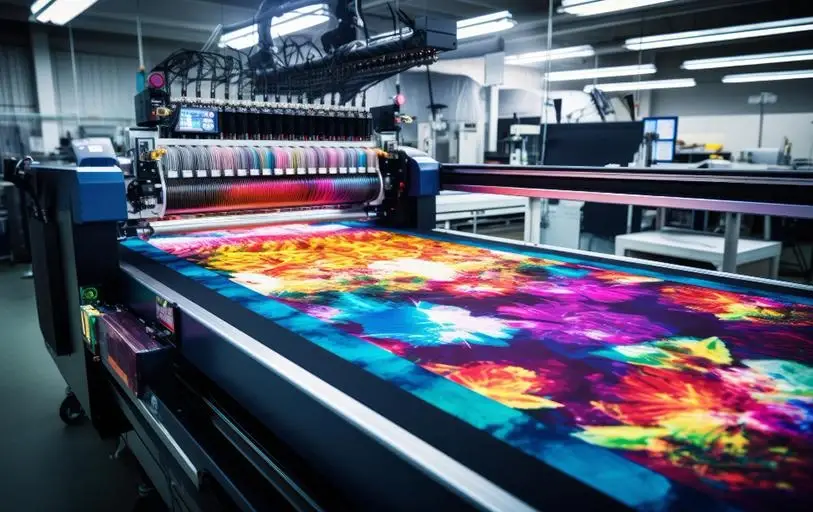
Ahmedabad has grown into one of India’s most active textile and printing hubs, and a large part of that growth comes from the rise of digital fabric printing. Brands, boutique owners, and garment manufacturers increasingly prefer this method over traditional screen printing because of its speed, design flexibility, and ability to handle small custom runs. But like any production process, digital fabric printing is not immune to quality issues. If you’re planning to place a bulk order or are simply curious about what can go wrong on the press, understanding these defects will help you make a more informed decision. For readers exploring their options, our custom fabric printing services page also breaks down what a quality-first printing process looks like from start to finish.
Digital Fabric Printing

What Is Digital Fabric Printing? A Quick Primer

Before getting into the defects, it helps to understand the basics. Digital printing on fabric works by transferring a design directly from a computer file onto the textile using specialized inkjet technology, without the need for screens or plates. This is different from rotary or screen printing, where each color requires a separate physical screen. Because digital textile printing relies heavily on precise machine calibration, ink chemistry, and fabric preparation, even small inconsistencies at any stage can show up as visible flaws in the final product. This is exactly why choosing an experienced printing partner matters so much for commercial orders.

Common Digital Fabric Printing Defects

Most defects in digital textile printing fall into a handful of recurring categories. Knowing what they look like makes it much easier to spot a problem early, before an entire batch is affected.

Color Inconsistency and Bleeding

One of the most frequently reported issues is color variation across a print run, where the same design comes out with slightly different shades on different fabric rolls or even within the same roll. This usually points to inconsistent color profiling or unstable printer calibration. Closely related is ink bleeding, where colors spread beyond their intended boundaries, often because the fabric wasn’t properly pre-treated or the ink density was too high for that particular material.

Misalignment and Uneven Ink Absorption

Misalignment, also called registration error, happens when different parts of a design don’t line up correctly, resulting in a blurred or double-printed appearance. Uneven ink absorption is another common problem, where certain areas of the fabric soak up more ink than others, creating blotchy or patchy patches instead of a smooth, even finish. Both issues are frequently linked to the fabric’s weave, coating, or moisture content at the time of printing.

Fading, Wash Fastness Problems, and Nozzle Streaks

Prints that fade quickly after just a few washes indicate poor wash fastness, usually caused by incorrect ink curing or inadequate steaming and washing post-processing. Streaky lines running along the length of the fabric are typically a sign of nozzle clogging, where dried ink partially blocks one or more print heads. None of these defects are always avoidable, but they are far less likely when the printer follows a disciplined maintenance and quality-check routine.

Why These Defects Happen: Root Causes

Behind almost every printing defect is a combination of preventable factors. Fabric pre-treatment plays a huge role, since untreated or poorly prepared textiles absorb ink unevenly. Machine calibration and regular maintenance are equally important, as printers that aren’t serviced on schedule tend to develop nozzle and alignment problems over time. Ahmedabad’s climate, with its seasonal humidity swings, can also affect drying times and ink behavior on the fabric surface. On top of that, the quality of the ink itself, the accuracy of the RIP (Raster Image Processor) software settings, and simply the skill level of the machine operator all contribute to how consistent a digital fabric printing run turns out.  Understanding this helps buyers see why not all printing vendors deliver the same level of consistency, even when using similar equipment. Two units running the exact same printer model can still produce very different results depending on how well they maintain their machines, how consistently they source ink, and how much attention they pay to fabric selection before a job even begins. This is why experience often matters just as much as the technology itself when choosing a printing partner.
Swatch Testing

How to Spot Defects Before Bulk Production

Catching a defect during sampling is far cheaper and faster than discovering it after hundreds of meters of fabric have already been printed.

A reliable digital fabric printing partner will always encourage a sample or swatch run before committing to a full order. During this stage, it’s worth checking the print against the original design for color accuracy, examining the fabric closely for streaks or blotches, and running a basic wash test to see how well the colors hold up. Asking your vendor a few direct questions, such as how often their machines are calibrated and what quality checks they run between batches, can also reveal a lot about how seriously they take consistency.

How Experienced Ahmedabad Printers Prevent These Issues

Established digital textile printing units in the city typically follow a structured quality control process that includes regular machine servicing, color calibration checks, and multiple inspection points during production. Skilled technicians who understand fabric behavior, ink chemistry, and printer mechanics are able to spot early warning signs, like slight color drift or a slow nozzle, before they turn into a full production problem. This combination of process discipline and hands-on expertise is what separates a dependable printing partner from one that only looks capable on paper. Many established units also maintain detailed production logs for each order, noting ink batches, machine settings, and any deviations spotted during inspection, so that recurring issues can be traced back to their source instead of being treated as one-off surprises.

Why Ahmedabad Is a Trusted Digital Fabric Printing Hub
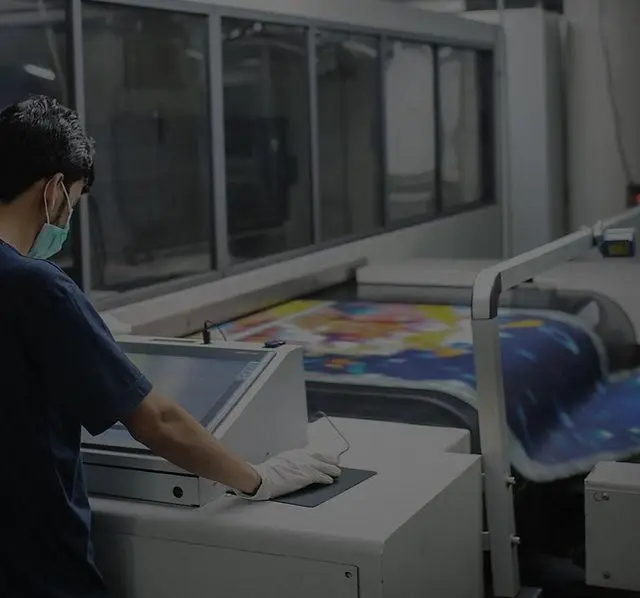
Ahmedabad’s reputation as a textile printing hub isn’t accidental. The city has decades of textile manufacturing infrastructure, a large pool of workers experienced in fabric handling and printing operations, and enough production scale to support everything from small custom fabric printing orders to large commercial runs. This depth of experience means many local printers have already encountered and solved most of the common defects discussed above, which is a real advantage for buyers who want consistent results. For businesses sourcing custom fabric printing at scale, working with an established Ahmedabad-based unit often means shorter turnaround times, easier access to a wide range of fabric types, and vendors who are used to handling both small trial orders and large repeat production runs without a drop in quality.

Conclusion

Digital fabric printing has made it easier than ever to produce custom, high-quality textile designs, but defects like color inconsistency, misalignment, and fading can still occur without the right process and expertise in place. Knowing what to look for, and asking the right questions before placing a bulk order, puts you in a much stronger position as a buyer. If you’re looking for a printing partner in Ahmedabad that takes quality control seriously at every stage, get in touch with ThePrintinkco to discuss your next project.
Scroll to Top