Email

info@theprintinkco.com

Call

+91 90995 39995

Location

Plot No 31-33, 2nd Floor, I- Block, Laxminarayan Industrial Estate B.R.C Main Road, Udhna Surat

How to Choose the Right Digital Printed Fabric Manufacturer for Your Business

Table of Contents

Introduction

Choosing the right digital printed fabric manufacturer is one of the most important decisions a fashion label, home textile brand, or wholesale buyer can make. The quality of your final product, from color vibrancy to fabric feel, depends almost entirely on the printing partner you choose. With so many suppliers claiming to offer the best service, it becomes difficult for businesses to separate genuine craftsmanship from marketing promises. This guide walks you through everything you need to know before signing on with a digital fabric printing partner, so you can make a decision based on facts rather than guesswork. Whether you are a startup exploring small-batch production or an established brand scaling up, understanding what separates a reliable manufacturer from an average one will save you time, money, and reputational risk.
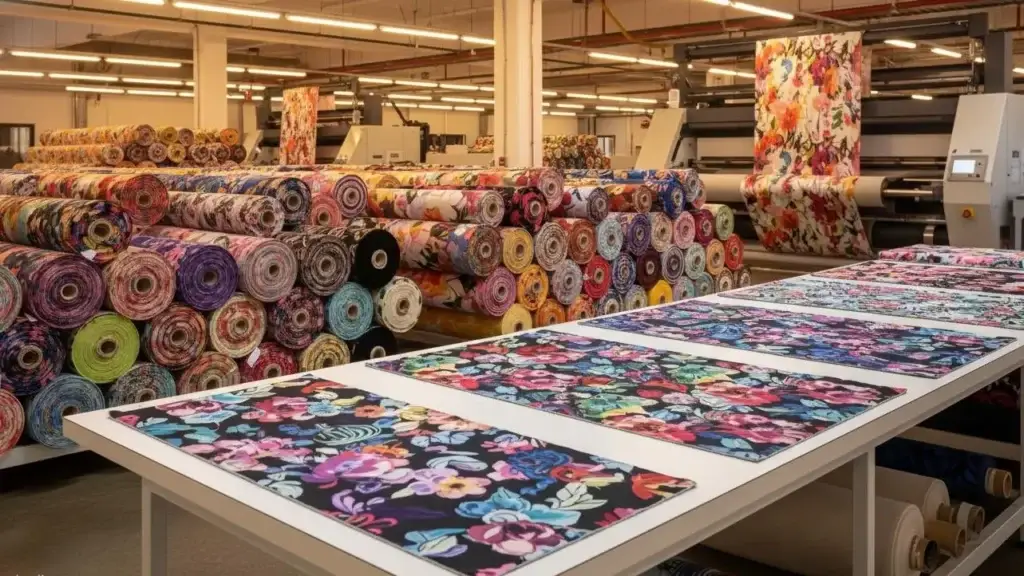
Digital Printed Fabric Manufacturer

What Is Digital Fabric Printing?

Digital fabric printing is a modern method of transferring designs directly onto textile surfaces using specialized inkjet technology, rather than relying on screens, rollers, or manual stencils. This approach allows for intricate patterns, gradient colors, and photographic detail that traditional printing methods often cannot achieve economically. Because there is no need to create physical screens for each color, digital printing is particularly well suited for shorter production runs, sampling, and businesses that want to test multiple designs before committing to bulk orders.

How It Differs from Traditional or Screen Printing

A knowledgeable digital printed fabric manufacturer can guide you on which process suits your design and fabric combination. Traditional screen printing requires a separate screen for every color in a design, which increases both cost and lead time when working with complex or multi-colored patterns. Digital printing eliminates this constraint entirely, as the design file is printed directly onto the fabric in a single pass. This makes digital printing more cost-effective for small to medium order quantities, while screen printing generally becomes more economical only at very high volumes where the setup cost is spread across thousands of meters.

Common Digital Printing Techniques

Most manufacturers work with a handful of established techniques, including direct-to-fabric printing, dye sublimation, and reactive, pigment, or acid dye printing depending on the fabric composition. Sublimation works best on polyester and synthetic blends, while reactive dyes are typically used for natural fibers like cotton and viscose. Understanding which technique suits your fabric type is a useful starting point before you even begin comparing suppliers, since not every digital textile printing company specializes in every method.

Why Choosing the Right Manufacturer Matters

The manufacturer you select has a direct influence on the final look, feel, and durability of your printed fabric. A skilled digital printed fabric supplier will ensure accurate color reproduction, proper ink penetration, and a soft hand-feel that does not compromise the fabric’s natural drape. On the other hand, an inexperienced or poorly equipped manufacturer can produce inconsistent colors between batches, stiff or cracked prints after washing, and delays that disrupt your production timeline. This is precisely why identifying a dependable digital printed fabric manufacturer early on matters more than chasing the lowest quote. For growing brands, these issues are not just quality concerns but also financial and reputational risks, since customers rarely give a second chance after receiving a defective product. Scalability is another factor worth considering early, because a manufacturer who performs well on a small trial order should also be capable of maintaining that same quality when your order volumes increase.

Key Factors to Evaluate Before Choosing a Manufacturer

Before finalizing any digital printed fabric manufacturer, it helps to evaluate them across a few consistent parameters rather than relying solely on price quotations.

Technology, Fabric Range, and MOQ Flexibility

The printing equipment a manufacturer uses says a lot about the quality you can expect. Modern high-resolution printers with fine droplet control tend to produce sharper detail and smoother color transitions than older machines. Alongside technology, check whether the manufacturer works comfortably with the specific fabric type you need, whether that is cotton, silk, polyester, or blended fabrics, since not every wholesale printed fabric manufacturer has equal expertise across all materials. Minimum order quantity policies also matter significantly for smaller businesses; a flexible manufacturer who accommodates lower MOQs allows you to test designs and markets without overcommitting financially.

Color Accuracy, Turnaround Time, and Sustainability Practices

Color consistency across different production batches is often the biggest differentiator between an average and an excellent digital fabric printing manufacturer. Ask whether they use calibrated color-matching systems and maintain reference swatches for repeat orders. Turnaround time is equally important, particularly for seasonal or trend-driven collections where delays can mean missed market windows. Increasingly, sustainability practices such as water-based inks, reduced water consumption, and responsible waste disposal are also becoming a deciding factor for brands that want their supply chain to reflect their values, so it is worth exploring a manufacturer’s sustainable printing practices before signing a long-term agreement.
Questions to Ask a Potential Manufacturer

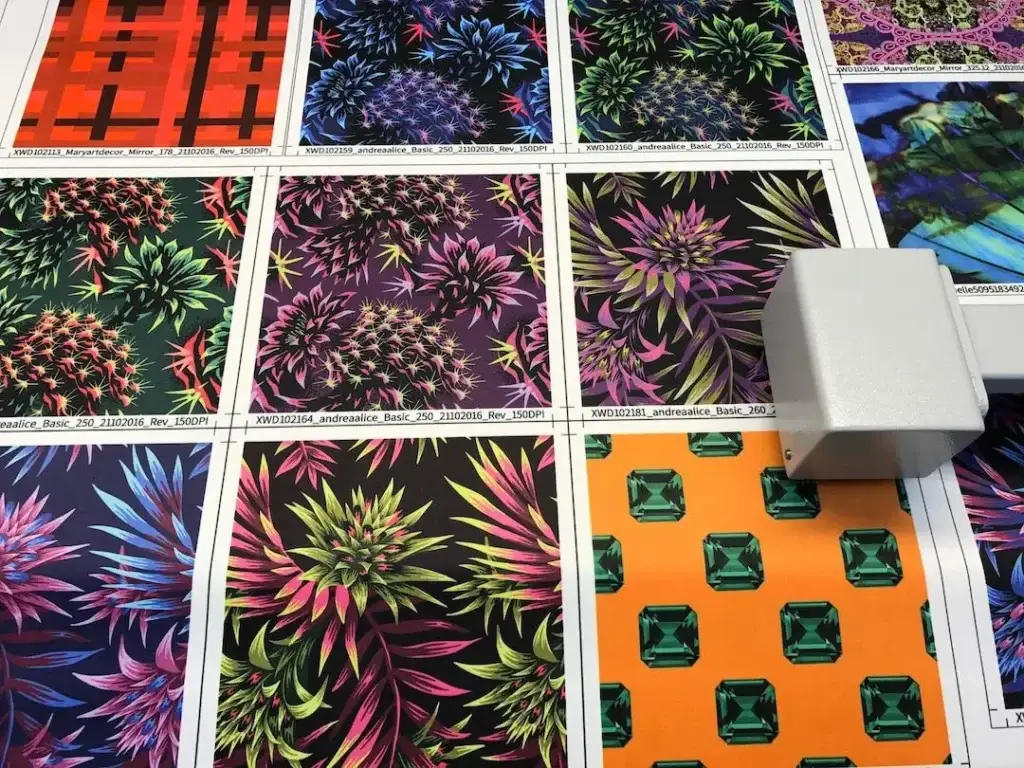
A short conversation with a potential digital printed fabric manufacturer can reveal far more than their website or portfolio. It is reasonable to ask whether they provide physical samples before bulk production, since fabric behaves differently once printed compared to how it appears digitally on screen. You should also inquire about relevant certifications such as OEKO-TEX or GOTS, which indicate compliance with safety and environmental standards. Understanding their internal quality control process, including how they check for color drift, misprints, or fabric defects, gives insight into how seriously they treat consistency. Finally, ask about their after-sales support and how they handle reorders, since a dependable digital printed fabric manufacturer should make repeat production simple rather than requiring you to start negotiations from scratch each time.

Red Flags to Watch Out For

Certain warning signs tend to repeat across problematic partnerships with a printed textile manufacturer. A lack of transparency around pricing, minimum quantities, or production timelines often signals disorganized operations rather than a genuinely competitive offer. Manufacturers who cannot provide physical samples or a verifiable portfolio of past work should be approached with caution, as this makes it difficult to judge actual print quality. Poor or inconsistent communication, along with vague answers about delivery timelines, is another indicator that the working relationship may become frustrating once you place a larger order. Trusting your initial impressions during these early interactions can save considerable time later in the process.

How to Verify Credibility and Experience

Verifying a manufacturer’s background is a core part of making an informed choice, and this is where genuine experience and authority in the industry become visible.

Checking Portfolios, Reviews, and Industry Reputation

Reviewing a digital printed fabric manufacturer’s past client work, whether through their website, social media, or trade directories, gives a realistic sense of the design complexity and fabric types they handle well. Independent reviews and testimonials, particularly from businesses similar in size or industry to yours, often reveal practical details that a sales pitch will not mention, such as typical response times or how issues were resolved.

Facility Visits and Years of Industry Experience

Whenever possible, visiting the production facility in person or requesting a virtual walkthrough allows you to observe hygiene standards, machine maintenance, and workflow organization firsthand. Manufacturers with several years of consistent operation in the digital textile printing company space have typically refined their processes through real production challenges, which often translates into more predictable outcomes for new clients.

Digital Printed Fabric Manufacturer Checklist

Before finalizing your chosen digital printed fabric manufacturer, it can help to quickly review the essentials: confirm their fabric and printing technique compatibility, request physical samples, verify certifications, clarify MOQ and pricing structures, ask about turnaround time, and check reviews or references from existing clients. Running through this checklist for every shortlisted supplier keeps the comparison objective rather than based on first impressions alone.

Conclusion

Selecting the right digital printed fabric manufacturer requires more than comparing price lists; it involves evaluating technology, fabric expertise, communication, and long-term reliability. By asking the right questions, watching for red flags, and verifying credibility through samples and reviews, businesses can build a printing partnership that supports consistent quality as they grow. If you are currently exploring options for your next collection or bulk order, feel free to connect with the team at The Printink Co to discuss your requirements and see how a well-matched printing partner can support your business goals.

Scroll to Top