Table of Contents
Introduction
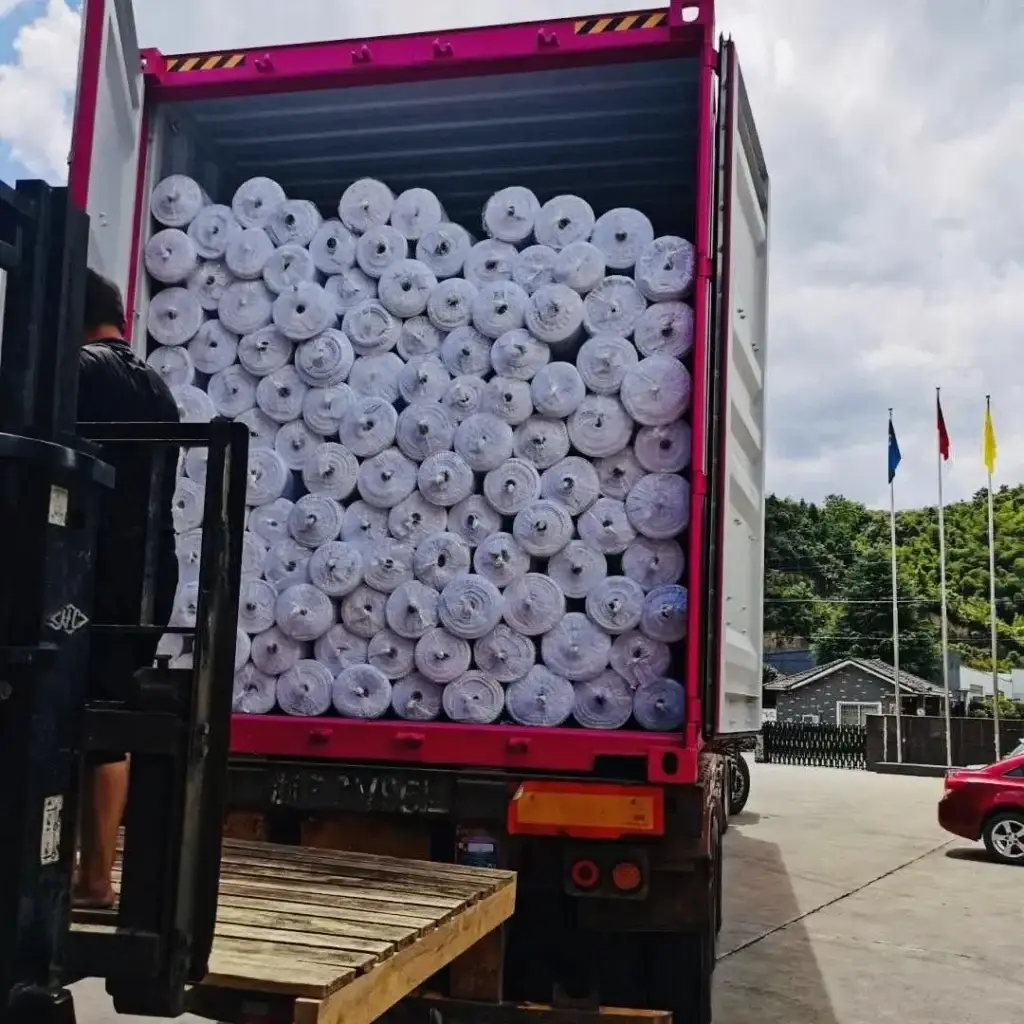
Ordering fabric in bulk from overseas can go wrong quickly when the supplier is not dependable. The usual results are late shipments, mismatched shades and payment disputes that drag on for months. Picking the right fabric exporter protects your margins, your production schedule and your brand name. India is one of the largest textile sourcing hubs in the world, with everything from plain cotton to specialised digitally printed fabrics available at scale. This guide explains how to judge a supplier, verify their claims and avoid common sourcing mistakes before you commit to a large order.
What Is a Fabric Exporter and Why Does It Matter?
Manufacturer-Exporter vs Trading House
Why the Difference Matters for Bulk Orders
Key Factors to Evaluate in a Fabric Exporter
Start with capacity. A dependable fabric exporter from India should be able to state their monthly production volume, the fabric types they specialise in and the customisation they offer, such as dyeing, printing or finishing. Then look at quality control. A serious supplier inspects fabric at several stages and can share test results for GSM and fabric weight, shrinkage and colourfastness, and they should be comfortable explaining how fabric quality is tested. Minimum order quantity, pricing transparency and lead time also matter. A supplier who quotes a clear MOQ, explains what is included in the price and gives a realistic dispatch timeline is easier to plan around than one who promises everything and commits to nothing.
Certifications and Documents a Genuine Exporter Should Hold
How to Verify Before Placing a Bulk Order
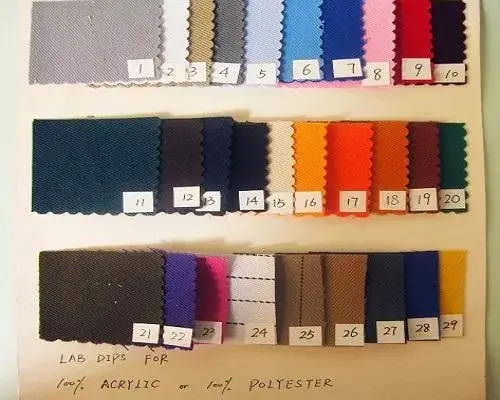
Trust is built through evidence, not conversation. A mistake buyers commonly make is approving a lab-dip or swatch and then receiving bulk fabric in a slightly different shade, which is why pre-production samples matter. Ask for a sample cut from the same production line, test it yourself or through an independent lab, and compare it against the bulk lot before dispatch. Before committing to a fabric exporter, it also helps to check a few basics:
- Request two or three buyer references from your target market
- Ask for photos or a video walkthrough of the facility, or arrange a visit
- Consider a third-party inspection agency before shipment
- Confirm sample and bulk specifications in writing
Payment Terms, Incoterms and Risk Protection
Red Flags to Watch for in a Fabric Exporter
Conclusion
Choosing the right fabric exporter comes down to verifying capacity, quality systems, certifications and communication before you commit money. Take your time with samples, compare Incoterms fairly and trust suppliers who are transparent. If you need custom digitally printed fabric as part of your sourcing plan, you can explore the options at The Printink co.