Table of Contents
Introduction
Say a boutique owner books fifty metres of floral georgette for her festive collection. The sample looked lovely. The bulk lot did not. Colours were dull, edges a bit blurry, and delivery came a week late. She lost a client. Lost some sleep too.
This happens more than people admit. Choosing a digital fabric printing manufacturer in India is not just about the lowest rate per metre. It is about consistency, honest timelines, and someone who actually picks up the phone when things go sideways. This guide walks you through what matters, whether you are ordering ten metres or ten thousand.
What Is Digital Fabric Printing?
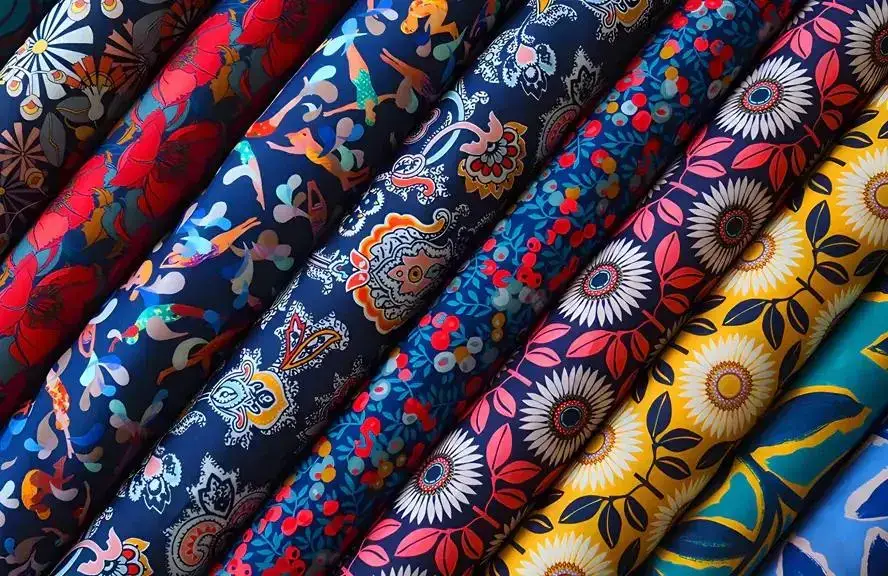
Think of a giant inkjet printer, but made for cloth. Digital fabric printing sends your design straight from a computer file onto the fabric. No screens. No heavy setup. Just ink, a print head and a well-prepared base cloth.
Traditional screen and rotary methods need a separate screen for every colour. That makes sense for very long runs of one design. But for custom patterns, seasonal collections or smaller batches, the setup cost piles up fast. Digital printing skips that step, so designers can test a new idea without committing to a huge order. It also handles detailed artwork, gradients and photographic prints that would be painful on a screen.
Is it perfect for everything? No. Plain solid colours in massive quantities are often cheaper by older methods. Good manufacturers will tell you that upfront, and that honesty is a small sign you are in the right place.Types of Digital Fabric Printing
Reactive and Pigment Printing for Natural Fabrics
Sublimation and Disperse Printing for Synthetics
Why India Works as a Base for Digital Printing
India has one of the deepest textile ecosystems anywhere. Yarn, weaving, dyeing, processing and printing often sit within a few hours of each other. That shortens supply chains and, honestly, shortens your waiting time too.
Fabric printing in Surat is a good example. The city has built its name around fabrics, and buyers from across the country and abroad come here for sarees, dress material, synthetics and more. Many digital printed fabric manufacturers operate in and around such hubs, which means easier access to base cloth, pre-treatment units and skilled operators.
Cost is the other reason. Buyers who source digital fabric printing from India often find the pricing competitive without a drop in print quality, provided they pick the right partner. Digital methods also use less water than conventional dyeing and printing, and they create less leftover stock because you print what you need. For brands thinking about sustainability, that matters.Custom Digital Fabric Printing: What You Can Personalise
Designs, Patterns and Colourways
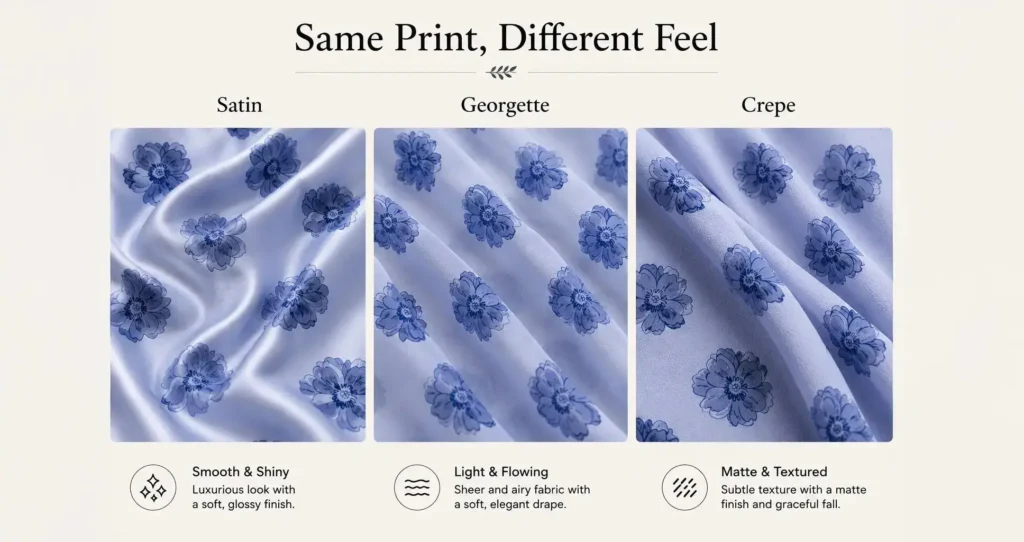
Fabric Bases and Finishes
Bulk Digital Printing: What Changes at Scale
MOQ, Pricing and Lead Time
Keeping Colours Consistent Across Batches
Who Uses Digital Printing on Fabric?
How to Pick a Reliable Digital Fabric Printing Manufacturer
Start with the basics. Ask what machines they run, what inks they use, and whether those inks suit your fabric. A good Digital Fabric Printing manufacturer will answer plainly, without a lot of jargon or dodging. Certifications such as OEKO-TEX, GOTS or ISO are worth asking about, especially if you export or sell to eco-conscious customers. Not every good unit has all of them, but they should be able to explain what they follow.
Next, ask for physical samples. Photos are not enough. Wash the sample, rub it, hold it in daylight. See whether the colour stays and the hand feel is right. Then look at their portfolio and ask for a client reference or two. Real work from real customers tells you more than a polished website ever will.
Compare a few digital print fabric manufacturers before deciding, and check the small things. Do they share their address and contact details openly? Do they reply on time? Do they explain the MOQ and timeline clearly? Red flags include no samples, vague pricing, pressure to pay in full upfront, or a refusal to show their facility. Trust your gut here. It is usually right.Mistakes Buyers Make and How to Dodge Them
The first mistake is skipping the sample stage because the deadline feels tight. It never saves time. A sample takes days. A bad bulk run takes weeks to fix.
The second is sending low-resolution artwork, then blaming the printer for a soft result. Check your files before sending, and ask the team about the right format and colour mode.
The third is ignoring fabric pre-treatment. Clothes need to be prepared properly so it takes ink well. Skip that and you get patchy colour, poor fastness or bleeding. If a supplier never mentions pre-treatment, ask why.
One more small one. Assuming the screen colour equals the printed colour. It rarely does. Always approve against a physical swatch.How the Ordering Process Works
The flow is simpler than most buyers expect. It usually goes like this:
- Share your design file and requirement (fabric, quantity, timeline).
- Choose the fabric base and finish.
- Receive a sample or strike-off.
- Approve the sample in writing.
- Bulk production begins.
- Quality check on colour, print clarity and measurements.
- Packing and dispatch, domestic or export.
Final Thoughts
Good prints are not an accident. They come from clear artwork, the right fabric, careful sampling and a partner who treats your order like their own. Take your time with the selection. It pays off later.
If you are ready to move ahead with a trusted digital fabric printing manufacturer in India, reach out to The Printink Co to request a sample or a quote. Share your design, tell them the quantity and fabric, and take it from there.